‘Disarming’ Performance Anxiety: Re-engaging the joy of performing by becoming more resilient in our innate vulnerability
Tuesday 29th October 2024, 10:00 AM - 12:00 PM (London Time)
Dr Mark Seton's overview:
Performance anxiety is a complex and potentially confusing label often used to give meaning to a diverse range of bodily experiences and cognitive beliefs that inhibit our capacity to perform in an optimal manner. However, through my research and coaching on vulnerability and actor wellbeing, I have found that we can reduce the effects of performance anxiety when we choose to move consciously towards greater competency in technique, deeper connection with the audience and vulnerable pleasure in our craft.
In this workshop, I will offer practical, playful and holistic strategies to ‘dis-arm’ three factors of being human that can impact our capacity to perform: doubt, shame and trauma. Firstly, through an awareness of body data, body knowledge and body wisdom, we’ll identify energetic preferences in performers that may undermine performance potential. Secondly, we’ll explore playful ways to allow the body to give ‘voice’ to how it may hold tension and need to find release. Thirdly, we’ll invite both storytelling and playfulness to process moments of past shaming that still disempower us. Overall, I will guide us through three resilient vulnerability phases I have identified – presence, perception and play – that can give us all agency AND connection for optimal performing that brings us joy.
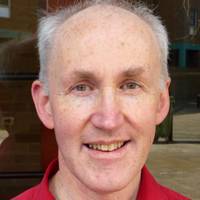
Dr Mark Seton
Dr Mark Seton is an Honorary Research Associate (Department of Performance Studies) at the University of Sydney. He lectures in screen performance and drama at Excelsia College.
Attend this course for as little as £22 as part of the Voice Professional Training CPD Award Scheme.
Learn MoreSorry, this is an archived short course...
We have plenty of upcoming short courses coming soon. See details of some of them below or look at the full list of short courses.

Wednesday 4th March 2026
1:00 PM - 2:00 PM
Wednesday 11th March 2026
1:00 PM - 2:00 PM
Wednesday 18th March 2026
1:00 PM - 2:00 PM
Wednesday 25th March 2026
1:00 PM - 2:00 PM
Wednesday 1st April 2026
1:00 PM - 2:00 PM
Wednesday 8th April 2026
1:00 PM - 2:00 PM
(London Time)
Learn to Coach RP and SSBE – a Certificate in Accent Coaching

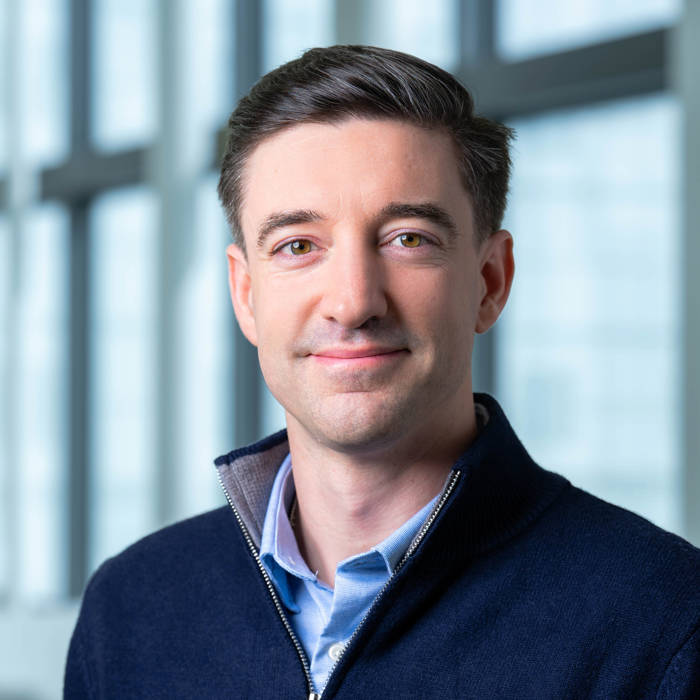
Louisa Morgan
This six-week course is an opportunity to learn about both Received Pronunciation and Standard Southern British English. Rather than a course in learning how to speak RP/SSBE (there are many brilliant available courses for this already), this course is about learning how to coach it.

Wednesday 25th March 2026
5:00 PM - 7:00 PM
(London Time)
Mastering the Art of "Marking": Vocal Longevity for the Modern Singer

Jacob Wright
Don’t just save your voice—optimize it! Join Jacob Wright as he explores marking technique in singing, a vocal conservation strategy used by singers during rehearsals and extended performance periods. Marking involves singing at reduced vocal intensity, altered pitch, or modified vocal quality to preserve vocal health while maintaining musical and dramatic engagement. Participants will gain practical tools for implementing marking in their own practice, teaching, or clinical work, supported by current research and voice science principles!
Friday 27th March 2026
1:00 PM - 3:00 PM
(London Time)
Muscle Tension Dysphonia in the Singing Voice!

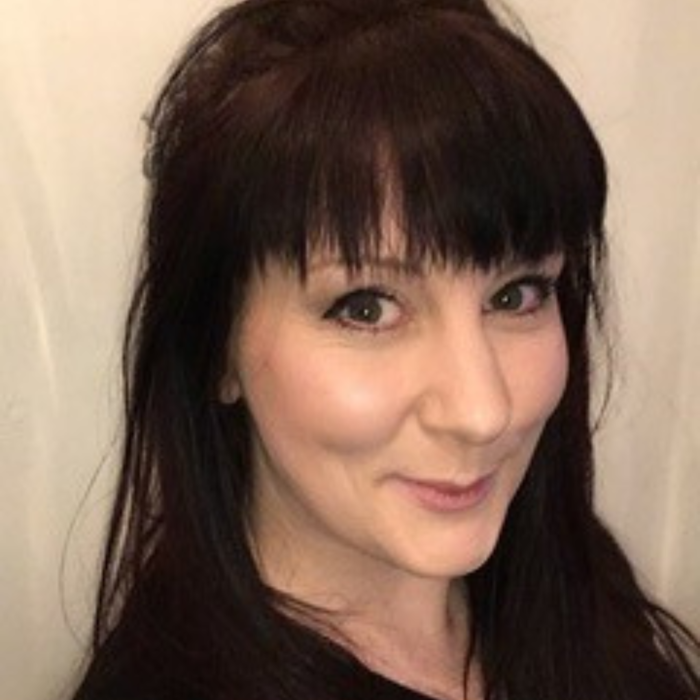
Dr Claire Thomas
A specialist course for singing teachers and voice professionals! Designed specifically for those working with singers, this in-depth course with Dr Claire Thomas explores Muscle Tension Dysphonia (MTD) through the lens of the singing voice - bridging clinical research and studio practice.