Dosimetry Measurement of Vocal Demands in Contemporary Musical Theatre
Thursday 31st October 2024, 5:00 PM - 7:00 PM (London Time)
Singers are highly skilled vocal athletes who master specialized vocal requirements when cast to perform in a musical theatre production. Their participation is physically, vocally, and emotionally challenging. Each musical role requires specific sonorities or styles of vocalism that involve a high level of vocal coordination while performing the physical, emotional, and cognitive demands of singing and speaking while acting and dancing.
Due to the vocal demands of a particular musical score, specific aspects of a singer's vocal dose increase during rehearsals and performances. The singer’s focus on required types of production and desired vocal timbre, especially when the musical tessitura focuses on a belting range with repetition of a small frequency range, can tax the vocal mechanism of soloists and ensemble cast members and lead to vocal trauma, especially when performing the productions eight times per week on Broadway. Over time, this vocal dose can contribute to changes in the consistency of voice production and the health of the vocal fold tissue.
One way to identify and monitor the impact of speaking or singing dose is through vocal dosimetry. It uses an accelerometer embedded in the throat sensor to record the speed, amplitude, and duration of vibrations to measure the mechanical stress on the vocal folds. The dosimeter records neck vibrations at a sample rate of 20 samples per second and records three types of vocal doses:
- Time dose
- Total cycles of vibration dose
- Total distance dose and sound pressure level
The time dose includes only those instances when the vocal folds are vibrating, and the cycle dose counts the number of glottal pulses the dosimeter detected. The sound pressure level (SPL) describes the amplitude of vibration of the vocal folds in decibels (dB). The dosimeter calculates the distance dose in meters based on the total cycle of vibration dose and SPL. It is the most complete measure of vocal dose as it accounts for the duration of phonation on the same fundamental frequency at various intensity levels.
This presentation will describe research conducted in collaboration with Drs. Ana Flavia Zuim and Ingo Titzi focused on identifying vocal dose and singers. Increasing student and professional singer’s awareness of vocal dose may lead to a better understanding of vocal differences between performers and recognition of ways to reduce vocal load and preserve the consistency of performance and longevity of voice careers.
🏷️ Price £30 (UK VAT inclusive)
🎥 Recording automatically sent to all who book (even if you cannot attend live)
▶️ Rewatch as many times as you like
📜 Certificate of attendance available
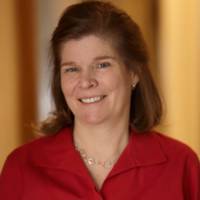
Celia Stewart
Celia Stewart, Ph.D. CCC-SLP, an Associate Professor at New York University, teaches Voice Disorders, Advanced Voice Disorders, Motor Speech Disorders, and Interdisciplinary Habilitation of Speaking Voice/Vocal Performance: Synergistic Remediation Effect.

Attend this course for as little as £22 as part of the Voice Professional Training CPD Award Scheme.
Learn MoreSorry, this is an archived short course...
We have plenty of upcoming short courses coming soon. See details of some of them below or look at the full list of short courses.

Monday 3rd August 2026
1:30 PM - 2:30 PM
Tuesday 4th August 2026
1:30 PM - 2:30 PM
Wednesday 5th August 2026
1:30 PM - 2:30 PM
Thursday 6th August 2026
1:30 PM - 2:30 PM
Friday 7th August 2026
1:30 PM - 2:30 PM
(London Time)
Level Two Certificate in Accents and Phonetics with Louisa Morgan

Louisa Morgan
Build on your foundational knowledge of accents and phonetics in this week‑long lunchtime course designed specifically for voice teachers. Whether you have completed our Level 1 Certificate or already possess a basic working knowledge of phonetics and accent work, this Level 2 course will help you deepen your skills, sharpen your analytical ear, and expand your practical toolkit for teaching.


Tuesday 11th August 2026
5:00 PM - 7:00 PM
(London Time)
Redefining Ethical Practice in Voice Teaching!

Dr Justin John Moniz
Join Dr Justin John Moniz as he examines ethical practice in voice teaching through a structured, evidence-informed framework for sustainable, student-centered pedagogy. Although voice teaching operates outside formal licensure models common to allied professions, teachers hold significant responsibility for students’ vocal function, artistic development, and long-term well-being. This course addresses that gap through a five-part paradigm grounded in the NATS Code of Ethics, contemporary research, and applied studio practice.
Wednesday 12th August 2026
5:00 PM - 6:00 PM
(London Time)
MA Voice Pedagogy: Online Information Session & Q&A

Debbie Winter
Considering our MA Voice Pedagogy? Join our Director for a focused online presentation and discussion to explore the course, ask questions, and discover whether postgraduate study at Voice Study Centre is right for you.