Feldenkrais Method® - its application in speech and song!
Thursday 14th May 2026, 2:00 PM - 4:00 PM (London Time)
Singing and speaking are physical acts involving coordination of all aspects of our body and mind. We think we know ourselves, yet we are often unaware of habituated patterns of movement that interfere with or result in small but significant discoordination which can inhibit or prevent optimal use of the voice. Since we are not aware of the source of tension or discoordination, it is difficult to make the necessary adjustments
The voice no matter how it is used, is internal. As a teacher I can only listen and watch my student and make suggestions that they then have to find a way to embody. As a student, I can only translate those words in terms of my own self-perception. Many times, the words both spoken and heard translate well. Yet what happens when the teacher’s eyes and ears and the students’ internal self-image don’t communicate. What happens then, when the impediment is ‘invisible’. An alternative approach for discovery and reorganization is needed.
The scientist and judo master Moshe Feldenkrais postulated that “It is better to improve the way we do things than what we do. For how we do something is often more important that what we do.” This primary principle is one of several in the method that he developed that can be applied across many disciplines.
This interactive course focuses on the practical applications of the Feldenkrais Method® as it relates to voice use in both singing and speaking. Feldenkrais described his method as “learning to learn.” The sensory feedback from the method’s slow gentle movement sequences expands our inner somatic sense and develops multiple options for the same movements. At the same time, they create more efficient pathways and connections throughout the entire body. Through repetition expanded movement options and altered coordination of the whole movements become more efficient, easy, and effortless.
Since the Feldenkrais method is about movement this course will take you through a series of short Feldenkrais lessons highlighting distal and proximal connections often found to be trouble spots or unconscious impediments for the voice user. I will introduce several important principles of the Method that you can use in the studio or for your own vocal development.
In order to facilitate application of these principles, please bring problems that you have encountered!
🏷️ Price £30 (UK VAT inclusive)
🎥 Recording automatically sent to all who book (even if you cannot attend live)
▶️ Rewatch as many times as you like
📜 Certificate of attendance available
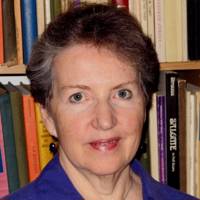
Marina Gilman
Marina Gilman holds a Bachelor of Science Degree from Indiana University, Master of Music degree from Ithaca College, and a Masters of Art in Communication Disorders...
Attend this course for as little as £22 as part of the Voice Professional Training CPD Award Scheme.
Learn More