Growl, Scream, Distortion: What MRI and High-Speed Imaging Reveal About Rough Vocals!
Thursday 5th February 2026, 3:00 PM - 5:00 PM (London Time)
The terminology used to describe rough vocal qualities remains far less standardized and considerably less researched than the concepts established in Western classical singing pedagogy. Terms such as vocal fry, fry scream, grunt, death growl, distortion, rattle, and undertone are widely used in contemporary and extreme vocal styles, yet their underlying physiological mechanisms are often inconsistently defined in both pedagogical and scientific contexts.
From an acoustic and voice-physiological perspective, the voice production mechanisms grouped under the umbrella term rough vocals represent a particularly fascinating field of study. Many of these vocal qualities involve double oscillation mechanisms, in which the true vocal folds oscillate in interaction with additional anatomical structures of the vocal tract, such as the ventricular folds or aryepiglottic tissues. These interactions result in complex vibratory patterns that strongly influence perceived sound quality.
This course examines a range of rough vocal mechanisms from a scientific yet practice-oriented perspective. The analysis is based on data from high-speed videoendoscopy as well as three-dimensional vocal tract configurations obtained through magnetic resonance imaging (MRI). By integrating physiological imaging with acoustic analysis, the course provides insight into how different rough vocal qualities are produced and how they differ in terms of vibratory behavior, laryngeal configuration, and vocal tract shaping.
Based on these data, a functional classification of rough vocal mechanisms into distinct groups is proposed. Particular emphasis is placed on distinguishing mechanisms that allow for efficient and sustainable voice production from those that may increase vocal load if applied without appropriate technical control.
Throughout the course, scientific findings are directly linked to vocal pedagogy and clinical practice, supporting informed artistic expression while promoting long-term vocal health.
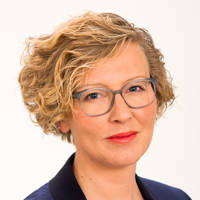
Dr Louisa Traser
Dr. Louisa Traser is a senior consultant, voice scientist, and trained singer at the Freiburg Institute for Musicians’ Medicine, University Medical Center Freiburg. Her clinical work focuses on phoniatrics, with particular expertise in the care of professional voice users and phonosurgery.
Attend this course for as little as £22 as part of the Voice Professional Training CPD Award Scheme.
Learn MoreSorry, this is an archived short course...
We have plenty of upcoming short courses coming soon. See details of some of them below or look at the full list of short courses.

Wednesday 4th March 2026
1:00 PM - 2:00 PM
Wednesday 11th March 2026
1:00 PM - 2:00 PM
Wednesday 18th March 2026
1:00 PM - 2:00 PM
Wednesday 25th March 2026
1:00 PM - 2:00 PM
Wednesday 1st April 2026
1:00 PM - 2:00 PM
Wednesday 8th April 2026
1:00 PM - 2:00 PM
(London Time)
Learn to Coach RP and SSBE – a Certificate in Accent Coaching

Louisa Morgan
This six-week course is an opportunity to learn about both Received Pronunciation and Standard Southern British English. Rather than a course in learning how to speak RP/SSBE (there are many brilliant available courses for this already), this course is about learning how to coach it.

Wednesday 25th March 2026
5:00 PM - 7:00 PM
(London Time)
Mastering the Art of "Marking": Vocal Longevity for the Modern Singer

Jacob Wright
Don’t just save your voice—optimize it! Join Jacob Wright as he explores marking technique in singing, a vocal conservation strategy used by singers during rehearsals and extended performance periods. Marking involves singing at reduced vocal intensity, altered pitch, or modified vocal quality to preserve vocal health while maintaining musical and dramatic engagement. Participants will gain practical tools for implementing marking in their own practice, teaching, or clinical work, supported by current research and voice science principles!
Friday 27th March 2026
1:00 PM - 3:00 PM
(London Time)
Muscle Tension Dysphonia in the Singing Voice!

Dr Claire Thomas
A specialist course for singing teachers and voice professionals! Designed specifically for those working with singers, this in-depth course with Dr Claire Thomas explores Muscle Tension Dysphonia (MTD) through the lens of the singing voice - bridging clinical research and studio practice.