How to Put the Perceptible Breath at a Singer's Disposal
Tuesday 23rd September 2025, 2:00 PM - 4:00 PM (London Time)
"To let the breath come, let it go, and wait until it comes back on its own is to perceive the unconscious function of the breath. A movement emerges, a connection to the human wholeness, and the possibility to get to know and experience oneself"
(Ilse Middendorf, The Perceptible Breath; 1990)
In this breath-related workshop specifically designed for the singer and singing teachers, participants will learn exercises based on Prof. Ilse Middendorf's therapeutic breathing method "The Perceptible Breath" (Der Erfahrbare Atem). Also translated as Breathexperience and Middendorf Breath Work, this somatic discipline trains a person’s skills of perception to learn about their individual breath, body and nervous system and how they can regulate it by harnessing their own mental powers.
Workshop participants will be guided to increase conscious contact with the individual rhythm of their breath. The power of the breath and the flexibility of the whole body will be explored and expanded so that the free flow of breath is made accessible to their range of vocal skills and they can enjoy an enhanced creative use of their instrument.
The workshop is interactive and allowing room for questions and discussion about breath-related singing pedagogy. Best to attend in a calm place, wearing comfortable clothes and having a stool or at least a chair with no armrests in reach.
🏷️ Price £30 (UK VAT inclusive)
🎥 Recording automatically sent to all who book (even if you cannot attend live)
▶️ Rewatch as many times as you like
📜 Certificate of attendance available
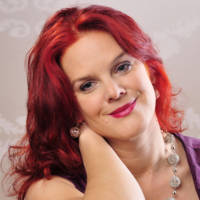
Tanya Aspelmeier
The German soprano, Tanya Aspelmeier, studied singing (lied, oratorio and opera) at the Musikhochschule in Hamburg, where she completed her concert exam and opera diploma with distinction, accompanied by the the Hamburg Symphonic Orchestra
She has taught at the Bremen University of the Arts, the Hamburg Conservatory and the Hamburg University of Music and Theater and was appointed professor of singing at the University of Music and Performing Arts Vienna in 2018.
Attend this course for as little as £22 as part of the Voice Professional Training CPD Award Scheme.
Learn MoreSorry, this is an archived short course...
We have plenty of upcoming short courses coming soon. See details of some of them below or look at the full list of short courses.

Wednesday 4th March 2026
1:00 PM - 2:00 PM
Wednesday 11th March 2026
1:00 PM - 2:00 PM
Wednesday 18th March 2026
1:00 PM - 2:00 PM
Wednesday 25th March 2026
1:00 PM - 2:00 PM
Wednesday 1st April 2026
1:00 PM - 2:00 PM
Wednesday 8th April 2026
1:00 PM - 2:00 PM
(London Time)
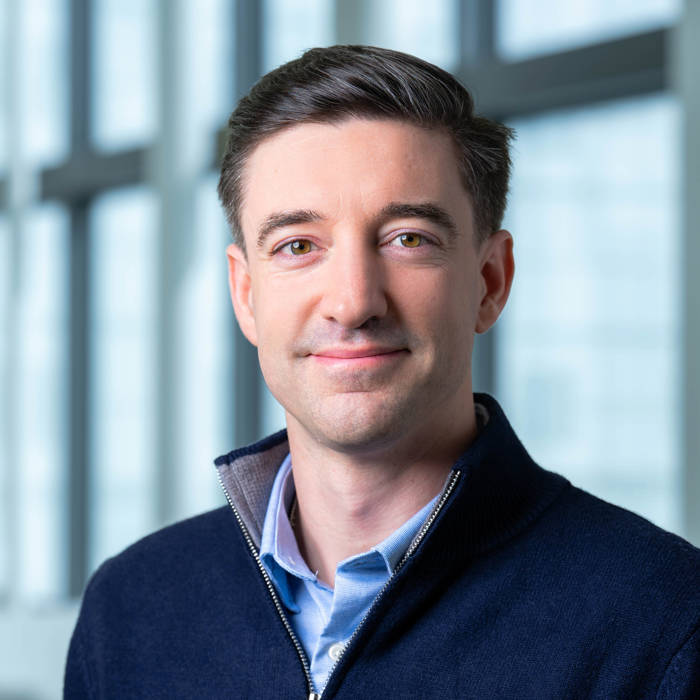
Learn to Coach RP and SSBE – a Certificate in Accent Coaching

Louisa Morgan
This six-week course is an opportunity to learn about both Received Pronunciation and Standard Southern British English. Rather than a course in learning how to speak RP/SSBE (there are many brilliant available courses for this already), this course is about learning how to coach it.

Wednesday 25th March 2026
5:00 PM - 7:00 PM
(London Time)
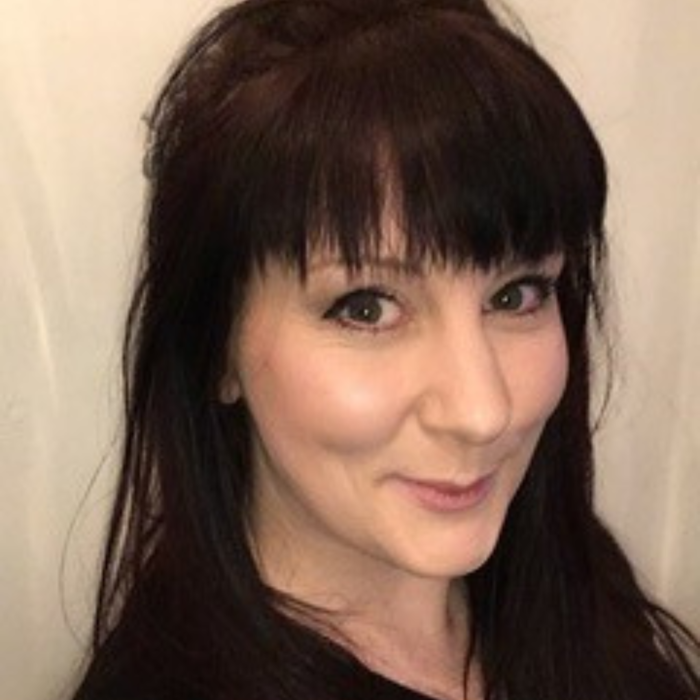
Mastering the Art of "Marking": Vocal Longevity for the Modern Singer

Jacob Wright
Don’t just save your voice—optimize it! Join Jacob Wright as he explores marking technique in singing, a vocal conservation strategy used by singers during rehearsals and extended performance periods. Marking involves singing at reduced vocal intensity, altered pitch, or modified vocal quality to preserve vocal health while maintaining musical and dramatic engagement. Participants will gain practical tools for implementing marking in their own practice, teaching, or clinical work, supported by current research and voice science principles!
Friday 27th March 2026
1:00 PM - 3:00 PM
(London Time)
Muscle Tension Dysphonia in the Singing Voice!

Dr Claire Thomas
A specialist course for singing teachers and voice professionals! Designed specifically for those working with singers, this in-depth course with Dr Claire Thomas explores Muscle Tension Dysphonia (MTD) through the lens of the singing voice - bridging clinical research and studio practice.