Introduction to Fitzmaurice Voicework
Thursday 14th January 2021, 5:00 PM - 7:00 PM (London Time)
This is a 2 hour introductory session into Fitzmaurice Voicework®, aiming to help you sense the fundamentals of the work, connect to your own learning and experience of the body:voice, and give you possible openings of curiosity into allowing the voice to be unique, authentic, present, resonant, alive and communicative. We will look at the four main ‘themes’ within the work, destructuring, restructuring, presence and play; we will make time to reflect on the practical elements – and the more intellectual considerations in connection with other modalities in voice work.
Fitzmaurice Voicework® was developed by Catherine Fitzmaurice to enable actors to be more playful and present; allowing the voice to be reactive to the needs of the body, the breath and the thought in the present moment; creating more options within performance, freer creativity, and a deeper sense of the body’s ability to express with reactive freedom and energy in the breath, releasing psycho-physiological holding patterns and connected breathing constraints. It is taught in the MFA Acting programs at Yale and Brown, as well as NYU undergraduate studios, the University of California – Irvine, Moscow Art Theatre School, Shanghai Theatre Academy, and many other theatrical institutions across the world. It integrates well with other modalities of voicework, actor training, and is also used in corporate coaching and teacher training.
Much of the session will be an exploration, practical by nature; there will be time for discussion of individual and collective experience. There will be some ‘floor’ work: If you have floor space available and a yoga mat this will suffice. Please wear loose-fitting clothes you are comfortable in for movement, and have layers that you can add or remove with changes of body temperature if needed. If you have a zafu, or hard cushion, that would be helpful, along with somewhere to write [or scribble] notes. If you do have a section of text learnt, a monologue, a section of a song or poem [around 8 lines] you will get the most out of the session.
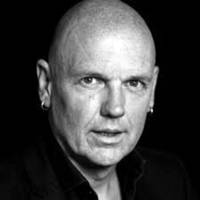
Jedd Owen-Ellis Clark
Jedd Owen-Ellis Clark is a voice and singing specialist, practitioner, researcher, singer, writer and performer, teaching voice studies and practical vocal arts...
Sorry, this is an archived short course...
We have plenty of upcoming short courses coming soon. See details of some of them below or look at the full list of short courses.

Wednesday 4th March 2026
1:00 PM - 2:00 PM
Wednesday 11th March 2026
1:00 PM - 2:00 PM
Wednesday 18th March 2026
1:00 PM - 2:00 PM
Wednesday 25th March 2026
1:00 PM - 2:00 PM
Wednesday 1st April 2026
1:00 PM - 2:00 PM
Wednesday 8th April 2026
1:00 PM - 2:00 PM
(London Time)
Learn to Coach RP and SSBE – a Certificate in Accent Coaching

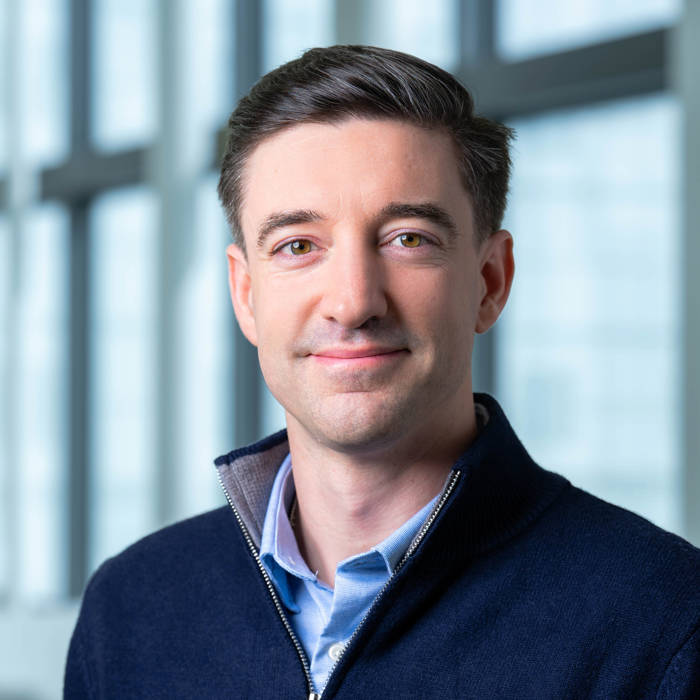
Louisa Morgan
This six-week course is an opportunity to learn about both Received Pronunciation and Standard Southern British English. Rather than a course in learning how to speak RP/SSBE (there are many brilliant available courses for this already), this course is about learning how to coach it.

Wednesday 25th March 2026
5:00 PM - 7:00 PM
(London Time)
Mastering the Art of "Marking": Vocal Longevity for the Modern Singer

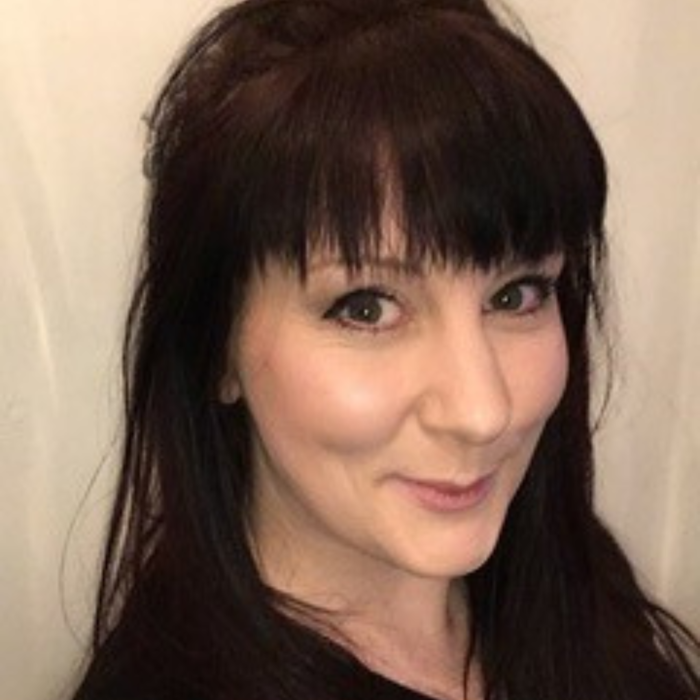
Jacob Wright
Don’t just save your voice—optimize it! Join Jacob Wright as he explores marking technique in singing, a vocal conservation strategy used by singers during rehearsals and extended performance periods. Marking involves singing at reduced vocal intensity, altered pitch, or modified vocal quality to preserve vocal health while maintaining musical and dramatic engagement. Participants will gain practical tools for implementing marking in their own practice, teaching, or clinical work, supported by current research and voice science principles!
Friday 27th March 2026
1:00 PM - 3:00 PM
(London Time)
Muscle Tension Dysphonia in the Singing Voice!

Dr Claire Thomas
A specialist course for singing teachers and voice professionals! Designed specifically for those working with singers, this in-depth course with Dr Claire Thomas explores Muscle Tension Dysphonia (MTD) through the lens of the singing voice - bridging clinical research and studio practice.