Music Reading for Students with Learning Disabilities
Thursday 22nd February 2024, 5:00 PM - 7:00 PM (London Time)
There are music students in private studios and school classrooms who are not readily learning to read music through standard instruction. Research into dyslexia gives us insight and guidance to how students with learning disabilities can be taught in a way that effectively builds the neural pathways for literacy. Using the style of teaching first created by the dyslexia researchers Stillman and Gillingham, Multisensory Structured Language (MSL), we can redesign our approach to teaching music reading that follows a strict, logical and effective order to build the neural pathways that are necessary for students with learning disabilities to learn.
Music reading is most often taught as a secondary skill to performing skills, and therefore does not follow its own logical, systematic approach. This negatively effects students who are not neurologically wired to learn through our traditional standard instruction. Applying the principles of MSL instruction to music reading instruction reorganises the steps to learning in surprising and effective ways. Adapting this scientifically researched approach to music reading makes it possible for struggling students to have access to music literacy.
This course will review the research surrounding certain learning disabilities such as dyslexia, dyscalculia and ADHD, and the research-based solutions that have been found to work successfully. We will examine current methods of music reading pedagogy, and then compare that to systems specifically designed to accommodate students with learning disabilities.
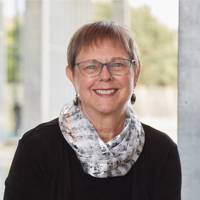
Dr Elizabeth Morrow
Dr Elizabeth Morrow, Professor Emerita, was awarded the degree Doctor of Musical Arts in Cello Performance from the University of Southern California. As a recitalist, she has concertized extensively in Europe and North America. An award-winning pedagogue, Dr Morrow has been an active presenter for the American String Teachers Association and Texas Music Educators Conference.
Attend this course for as little as £22 as part of the Voice Professional Training CPD Award Scheme.
Learn MoreSorry, this is an archived short course...
We have plenty of upcoming short courses coming soon. See details of some of them below or look at the full list of short courses.

Monday 3rd August 2026
1:30 PM - 2:30 PM
Tuesday 4th August 2026
1:30 PM - 2:30 PM
Wednesday 5th August 2026
1:30 PM - 2:30 PM
Thursday 6th August 2026
1:30 PM - 2:30 PM
Friday 7th August 2026
1:30 PM - 2:30 PM
(London Time)
Level Two Certificate in Accents and Phonetics with Louisa Morgan

Louisa Morgan
Build on your foundational knowledge of accents and phonetics in this week‑long lunchtime course designed specifically for voice teachers. Whether you have completed our Level 1 Certificate or already possess a basic working knowledge of phonetics and accent work, this Level 2 course will help you deepen your skills, sharpen your analytical ear, and expand your practical toolkit for teaching.


Tuesday 11th August 2026
5:00 PM - 7:00 PM
(London Time)
Redefining Ethical Practice in Voice Teaching!

Dr Justin John Moniz
Join Dr Justin John Moniz as he examines ethical practice in voice teaching through a structured, evidence-informed framework for sustainable, student-centered pedagogy. Although voice teaching operates outside formal licensure models common to allied professions, teachers hold significant responsibility for students’ vocal function, artistic development, and long-term well-being. This course addresses that gap through a five-part paradigm grounded in the NATS Code of Ethics, contemporary research, and applied studio practice.
Wednesday 12th August 2026
5:00 PM - 6:00 PM
(London Time)
MA Voice Pedagogy: Online Information Session & Q&A

Debbie Winter
Considering our MA Voice Pedagogy? Join our Director for a focused online presentation and discussion to explore the course, ask questions, and discover whether postgraduate study at Voice Study Centre is right for you.