Neuroscience-based Vocal Pedagogy
Thursday 22nd April 2021, 5:00 PM - 7:00 PM (London Time)
Neuroscience-based vocal pedagogy
Heidi Moss Erickson, B.A.Bio, B.Mus.Voice, M.Sci.
Research on the neurobiological underpinnings of vocalization is growing at a rapid pace. Scientists from varied disciplines contribute to this field, elucidating the process from diverse angles such as evolutionary biology, molecular biology, genetics, neuroscience, and social science. It is essential that singers, pedagogues, and voice scientists capitalize on this wealth of data outside of our own field to greater understand our instruments.
An integrative viewpoint of how and why we sing can refine the art of vocal pedagogy, demystifying long-held myths, and yield greater vocal efficiency: making singers better faster.
The goal of this lecture is to bridge the divide between traditional voice science and pedagogy with the most current research from other disciplines.
Specifically, we will explore:
- Vocal Learning: audiation and mimicry
- How to learn coloratura and riffs via patterns
- The importance of getting off the page and strategies to make written music more ‘singer-brain’ friendly.
- Using gesture to improve vocalization (and why it works!)
- Pitching strategies
- Reframing breath: a valve based system
- Character and emotion: playing with opposites
- Distraction as a tool
Vocal pedagogy should be a dynamic process, and the hope is that this exploration will encourage singers and teachers to think outside the box. Given the rapid pace of neuroscience research, dogmas can actually change in a short amount of time resulting in paradigm shifts that can be small or seismic. To that end, it is important to keep up to date on current trends via primary papers and taking note of the diverse minds in the field. We will finish the lecture with a bibliography of the wonderful scientists working on the neuroscience of vocalization.
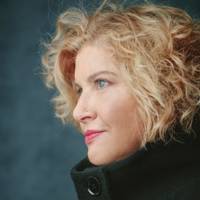
Heidi Moss Erickson
Heidi Moss, is a Bay Area performer, educator, and scientist. Noted for her “rich and radiant soprano” (Edward Oriz, Sacramento Bee) has performed on national and international stages...
Sorry, this is an archived short course...
We have plenty of upcoming short courses coming soon. See details of some of them below or look at the full list of short courses.

Monday 3rd August 2026
1:30 PM - 2:30 PM
Tuesday 4th August 2026
1:30 PM - 2:30 PM
Wednesday 5th August 2026
1:30 PM - 2:30 PM
Thursday 6th August 2026
1:30 PM - 2:30 PM
Friday 7th August 2026
1:30 PM - 2:30 PM
(London Time)
Level Two Certificate in Accents and Phonetics with Louisa Morgan

Louisa Morgan
Build on your foundational knowledge of accents and phonetics in this week‑long lunchtime course designed specifically for voice teachers. Whether you have completed our Level 1 Certificate or already possess a basic working knowledge of phonetics and accent work, this Level 2 course will help you deepen your skills, sharpen your analytical ear, and expand your practical toolkit for teaching.

Tuesday 11th August 2026
5:00 PM - 7:00 PM
(London Time)
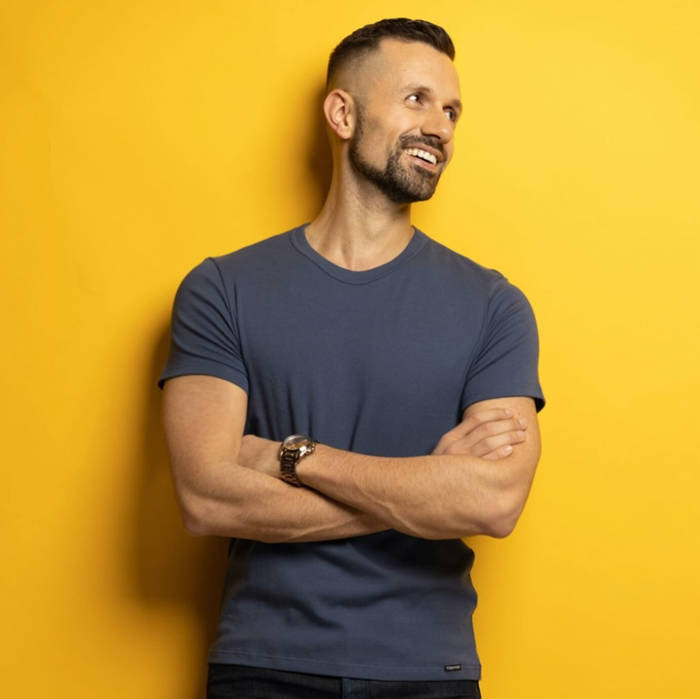
Redefining Ethical Practice in Voice Teaching!

Dr Justin John Moniz
Join Dr Justin John Moniz as he examines ethical practice in voice teaching through a structured, evidence-informed framework for sustainable, student-centered pedagogy. Although voice teaching operates outside formal licensure models common to allied professions, teachers hold significant responsibility for students’ vocal function, artistic development, and long-term well-being. This course addresses that gap through a five-part paradigm grounded in the NATS Code of Ethics, contemporary research, and applied studio practice.
Wednesday 12th August 2026
5:00 PM - 6:00 PM
(London Time)
MA Voice Pedagogy: Online Information Session & Q&A

Debbie Winter
Considering our MA Voice Pedagogy? Join our Director for a focused online presentation and discussion to explore the course, ask questions, and discover whether postgraduate study at Voice Study Centre is right for you.