Singing and Postnatal Mental Health
Tuesday 30th January 2024, 1:00 PM - 2:00 PM (London Time)
This session will focus on how singing and songwriting can support postnatal mental health. We will cover four main areas:
- Why postnatal mental health is a public health priority in the UK, and what it feels like to experience illnesses such as postnatal depression
- Why music, and specifically singing, is increasingly used to support wellbeing and why it might be particularly relevant in the postnatal period
- Drawing on studies led by the Royal College of Music, London, we will consider cutting-edge evidence for how group singing can speed up recovery from postnatal depression and how online songwriting can reduce postnatal loneliness
- Finally, participants will be invited to consider how the findings could support their own practice. Ideas will be shared about how the presented research has sparked new singing initiatives around the world, and attention will be given to the challenges as well as the possibilities of such work. Following the presentation, participants will have the opportunity to share their responses and ask questions
The session aims to raise awareness of the potential for singing to support new parents, drawing on robust research evidence with both parents and singing leaders.
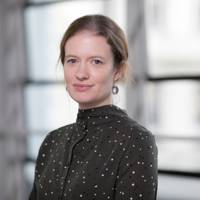
Professor Rosie Perkins
Rosie Perkins is Professor of Music, Health and Social Science at the Royal College of Music, London. Rosie is based in the RCM’s Centre for Performance Science, where her research investigates two broad areas: how music and the arts support societal wellbeing and how to enhance artists’ wellbeing and career development.
Sorry, this is an archived short course...
We have plenty of upcoming short courses coming soon. See details of some of them below or look at the full list of short courses.

Tuesday 27th October 2026
5:00 PM - 7:00 PM
(London Time)
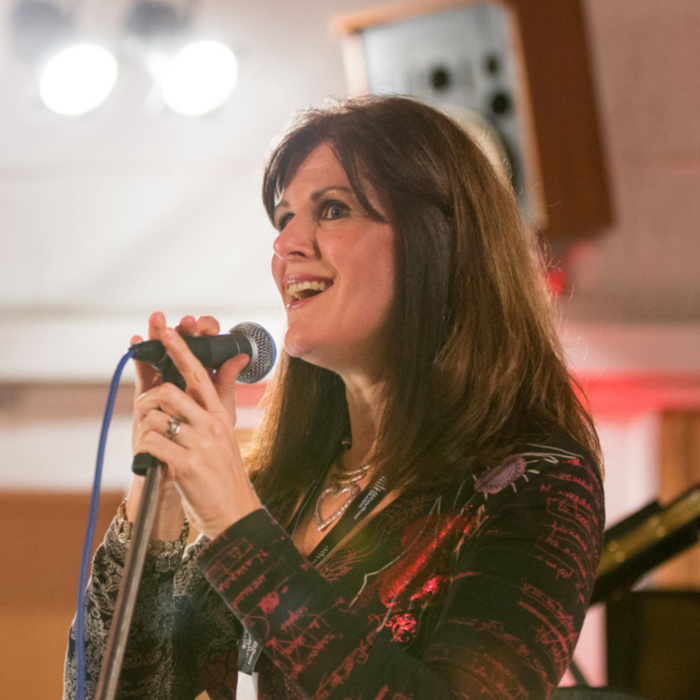
Pop Pedagogy - an Overview

Kim Chandler
Some successful pop stars are celebrating career lengths of over sixty years, having been around since the 1950s when pop music emerged and diversified from jazz, so pop singing has been in existence sufficiently long now that, for teaching purposes, we can observe and analyse what type of approach serves it best.
Friday 30th October 2026
3:00 PM - 5:00 PM
(London Time)
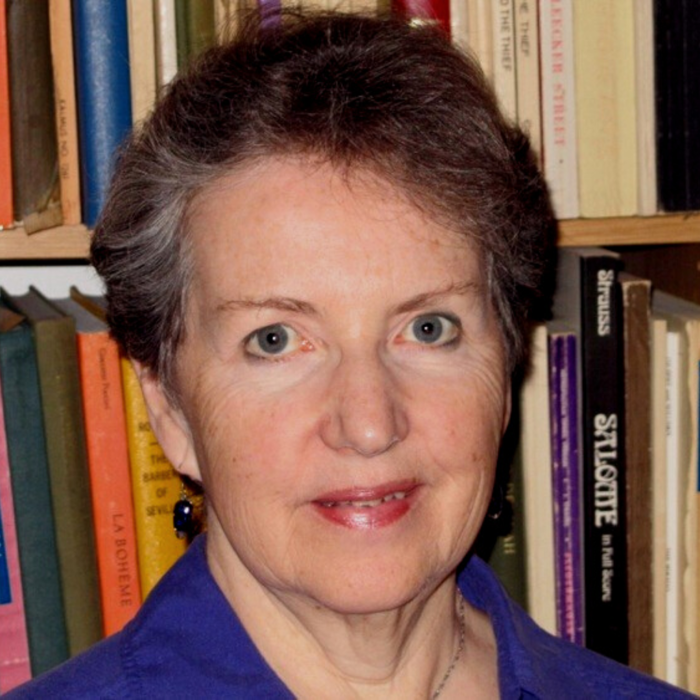
Feldenkrais Method® - its application in speech and song!

Marina Gilman
The Feldenkrais Method® is a form of somatic education that uses gentle movement and directed attention to improve physical and mental functioning, including singing and speaking. Since we are not always aware of the source of tension or discoordination, it is difficult to make the necessary adjustments to ensure optimal use of the voice!
Monday 2nd November 2026
5:00 PM - 7:00 PM
Tuesday 3rd November 2026
5:00 PM - 7:00 PM
(London Time)
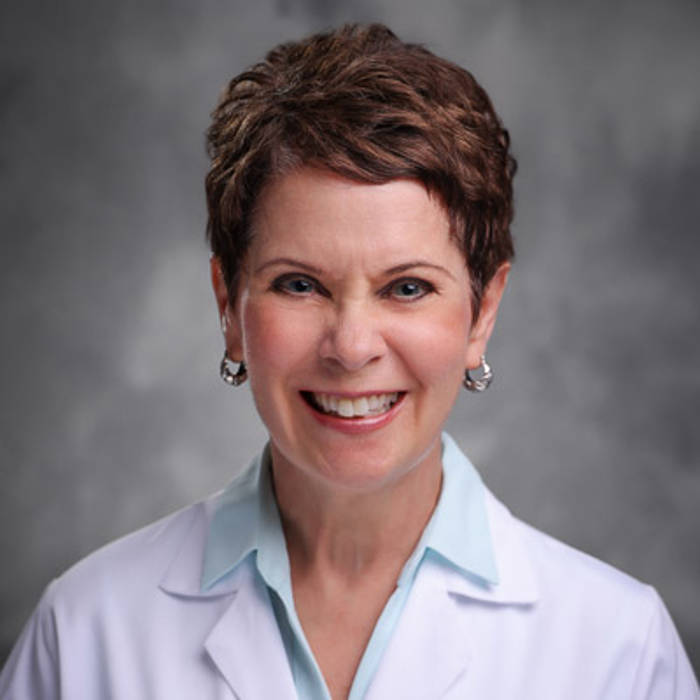
The Vocal Health Challenges for Actors and Singers!

Leda Scearce
Two part course! Vocal health principles are inextricably and symbiotically linked with singing and acting voice pedagogy: Good vocal health allows the singer and actor to more easily and effectively achieve their technical and artistic goals, and good teaching reinforces vocal technique that diminishes the risk of vocal injury. We now also recognize the necessity for singers and actors to understand how their instruments work, how to take care of their voices, and what to do when something goes wrong. Singing and acting teachers are indeed on the front lines of vocal health!