Staying In Lane: Exploring The Boundary Line Between Teaching Singing And Therapeutic Practice
Thursday 2nd December 2021, 2:00 PM - 4:00 PM (London Time)
Kate Cubley
Kate Cubley (BA (Hons), MA) is an advanced level Voice Coach, Singing Teacher, singer and researcher working predominantly from her private studio in Cheshire...
Pippa Anderson
Pippa Anderson holds an Mlitt (Master of Letters) in Music, and is also a senior lecturer and vocal health consultant for the musical theatre programme at Leeds Conservatoire and Clinical Vocal Rehabilitation Specialist at Freeman Hospital.

Natalie Eastwood
Natalie Eastwood qualified as a speech and language therapist from Sheffield University and has over 18 years of experience working with voice and swallowing...
Leda Scearce
Soprano Leda Scearce has been featured in leading roles with the National Opera Company, Hawaii Opera Theatre, Long Leaf Opera Festival, Triangle Opera...
Julia Gerhard
Julia Gerhard is a speech pathologist and singer with a passion for interdisciplinary voice education and voice rehabilitation. She earned a doctorate in musical arts...
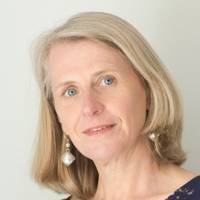
Dr Jenevora Williams
Dr Jenevora Williams is a leading exponent in the field of vocal health and singing teaching. After a successful career in Opera, Jenevora turned her attention...

Professor Yvonne Gonzales Redman
Yvonne Gonzales Redman is a Professor of Voice and Pedagogy and Chair of the Voice Area at the University of Illinois Urbana-Champaign and a member of the American Academy of Teachers of Singing. She began her musical career as a Vocal Performance major at Stephen F. Austin State University in Nacogdoches, Texas. Upon graduation, the Houston native was a winner of both the Metropolitan Opera National Council Auditions and the Houston Grand Opera Eleanor McCollum Award.
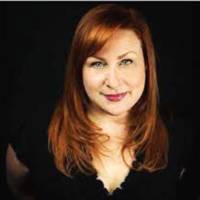
Melanie Tapson
Melanie Tapson is a professional singer, Singing Voice Specialist, and speech-language pathologist whose practice specializes in voice assessment and therapy...
Sorry, this is an archived short course...
We have plenty of upcoming short courses coming soon. See details of some of them below or look at the full list of short courses.

Wednesday 4th March 2026
1:00 PM - 2:00 PM
Wednesday 11th March 2026
1:00 PM - 2:00 PM
Wednesday 18th March 2026
1:00 PM - 2:00 PM
Wednesday 25th March 2026
1:00 PM - 2:00 PM
Wednesday 1st April 2026
1:00 PM - 2:00 PM
Wednesday 8th April 2026
1:00 PM - 2:00 PM
(London Time)
Learn to Coach RP and SSBE – a Certificate in Accent Coaching

Louisa Morgan
This six-week course is an opportunity to learn about both Received Pronunciation and Standard Southern British English. Rather than a course in learning how to speak RP/SSBE (there are many brilliant available courses for this already), this course is about learning how to coach it.

Wednesday 25th March 2026
5:00 PM - 7:00 PM
(London Time)
Mastering the Art of "Marking": Vocal Longevity for the Modern Singer

Jacob Wright
Don’t just save your voice—optimize it! Join Jacob Wright as he explores marking technique in singing, a vocal conservation strategy used by singers during rehearsals and extended performance periods. Marking involves singing at reduced vocal intensity, altered pitch, or modified vocal quality to preserve vocal health while maintaining musical and dramatic engagement. Participants will gain practical tools for implementing marking in their own practice, teaching, or clinical work, supported by current research and voice science principles!
Friday 27th March 2026
1:00 PM - 3:00 PM
(London Time)
Muscle Tension Dysphonia in the Singing Voice!

Dr Claire Thomas
A specialist course for singing teachers and voice professionals! Designed specifically for those working with singers, this in-depth course with Dr Claire Thomas explores Muscle Tension Dysphonia (MTD) through the lens of the singing voice - bridging clinical research and studio practice.