The Sounds and Ornamentations of Indian Classical Music
Tuesday 13th August 2024, 5:00 PM - 7:00 PM (London Time)
Indian Classical Music (ICM) is an ancient oral tradition that dates back to around 500 BC. Despite its evolution over the centuries, it has managed to maintain its unique style and cultural significance. Until recently, this style of music has been largely overlooked in voice research. Given the global presence of the Indian community, it is essential for both teachers and singers to understand and learn from this style to better serve Indian students while staying true to the authentic form of the music while also gaining insight on how to diversify and cross-train within your own singing practice. Indian Classical Music is split into two major styles: North Indian (Hindustani) and South Indian (Carnatic). The workshop will primarily focus on Carnatic Music.
This workshop first explores the ‘authentic’ sound of ICM. The questions we will explore are:
- What is the authentic ICM sound? Is there only one?
- What have singers and teachers experienced as the authentic ICM sound quality?
- What the ranges and acoustic features of an authentic sound are, and some ways to train these sounds
Next, you will get an introduction to various vocal ornamentations, which is one of ICM’s key stylistic features. To execute these ornamentations, the singer requires a great deal of vocal agility. Accordingly, we will explore:
- The various types of vocal ornamentations in ICM
- Trying out these ornamentations in your voice
- Ways to train these ornamentations
Finally, we will discuss some of the habits that could hamper the ICM style - what some of the vocal function hurdles are that ICM singers face and how to approach these in a culturally sensitive way.
The workshop will include interactive components, such as singing and listening to ICM singers, and there will be plenty of time for questions.
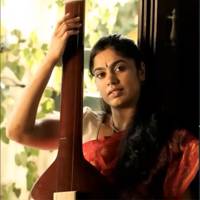
Samyukta Ranganathan
Samyukta is an award-winning singer of Indian Classical Music (ICM) with an active teaching and performance career in New York City.
Attend this course for as little as £22 as part of the Voice Professional Training CPD Award Scheme.
Learn MoreSorry, this is an archived short course...
We have plenty of upcoming short courses coming soon. See details of some of them below or look at the full list of short courses.

Wednesday 4th March 2026
1:00 PM - 2:00 PM
Wednesday 11th March 2026
1:00 PM - 2:00 PM
Wednesday 18th March 2026
1:00 PM - 2:00 PM
Wednesday 25th March 2026
1:00 PM - 2:00 PM
Wednesday 1st April 2026
1:00 PM - 2:00 PM
Wednesday 8th April 2026
1:00 PM - 2:00 PM
(London Time)
Learn to Coach RP and SSBE – a Certificate in Accent Coaching

Louisa Morgan
This six-week course is an opportunity to learn about both Received Pronunciation and Standard Southern British English. Rather than a course in learning how to speak RP/SSBE (there are many brilliant available courses for this already), this course is about learning how to coach it.

Wednesday 25th March 2026
5:00 PM - 7:00 PM
(London Time)
Mastering the Art of "Marking": Vocal Longevity for the Modern Singer

Jacob Wright
Don’t just save your voice—optimize it! Join Jacob Wright as he explores marking technique in singing, a vocal conservation strategy used by singers during rehearsals and extended performance periods. Marking involves singing at reduced vocal intensity, altered pitch, or modified vocal quality to preserve vocal health while maintaining musical and dramatic engagement. Participants will gain practical tools for implementing marking in their own practice, teaching, or clinical work, supported by current research and voice science principles!
Friday 27th March 2026
1:00 PM - 3:00 PM
(London Time)
Muscle Tension Dysphonia in the Singing Voice!

Dr Claire Thomas
A specialist course for singing teachers and voice professionals! Designed specifically for those working with singers, this in-depth course with Dr Claire Thomas explores Muscle Tension Dysphonia (MTD) through the lens of the singing voice - bridging clinical research and studio practice.