‘U Can’t Touch This’: Consensual Touch in Teaching Singing
Thursday 6th March 2025, 5:00 PM - 7:00 PM (London Time)
As we continue to navigate the expectations of the use of touch in today’s social climate, the conversations of how we ethically integrate this into our pedagogical approach of teaching voice are alive and important areas of consideration.
Practitioners are required through educational institutions to respect personal space and uphold principles of content around physical touch, often at odds with historical and cultural practices in teaching singing education. This workshop aims to create a space to explore a harm-reductive toolkit that allows singers to benefit from the use of consensual touch in singing lessons without their bodily autonomy being compromised.
As practitioners, we are increasingly aware of how physical contact can positively influence a singer’s teaching and learning experience. From anatomical accuracy to the efficiency of assessment from one unique voice to another, the results can be transformative.
Key areas of investigation include:
- Impact of touch or physical contact in teaching Vocals at Further & Higher Education as well as private practice.
- Boundaries around tutor/student physical contact in the teaching and learning of singing.
- Considerations of how consent interacts with these findings.
This workshop considers how consent practices can be integrated into learning spaces, what that means for voice teachers and how it can empower both the artistic and individual voice in the craft of singing and communication.
🏷️ Price £30 (UK VAT inclusive)
🎥 Recording automatically sent to all who book (even if you cannot attend live)
▶️ Rewatch as many times as you like
📜 Certificate of attendance available
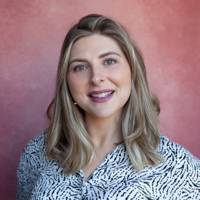
Lucinda Allen
Lucinda has more than 15 years of experience as a voice, singing, and MDH breathing coordination coach. Her private coaching practice, Voice Unlocked, serves clients including performers from West End shows as well as touring artists such as Grammy award winner Lalah Hathaway and UK artists Kelli-Leigh, Newton Faulkner, JP Cooper, and Skin (Skunk Anansie).
Attend this course for as little as £22 as part of the Voice Professional Training CPD Award Scheme.
Learn MoreSorry, this is an archived short course...
We have plenty of upcoming short courses coming soon. See details of some of them below or look at the full list of short courses.

Wednesday 4th March 2026
1:00 PM - 2:00 PM
Wednesday 11th March 2026
1:00 PM - 2:00 PM
Wednesday 18th March 2026
1:00 PM - 2:00 PM
Wednesday 25th March 2026
1:00 PM - 2:00 PM
Wednesday 1st April 2026
1:00 PM - 2:00 PM
Wednesday 8th April 2026
1:00 PM - 2:00 PM
(London Time)
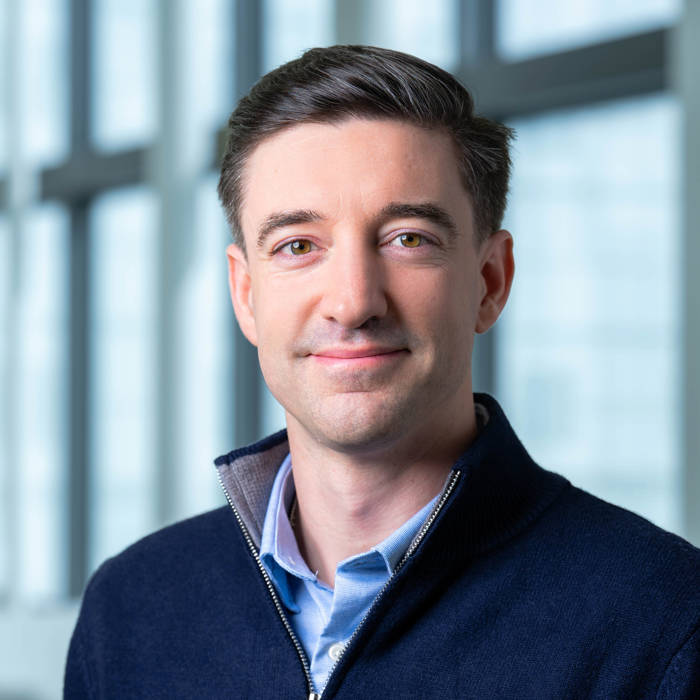
Learn to Coach RP and SSBE – a Certificate in Accent Coaching

Louisa Morgan
This six-week course is an opportunity to learn about both Received Pronunciation and Standard Southern British English. Rather than a course in learning how to speak RP/SSBE (there are many brilliant available courses for this already), this course is about learning how to coach it.

Wednesday 25th March 2026
5:00 PM - 7:00 PM
(London Time)
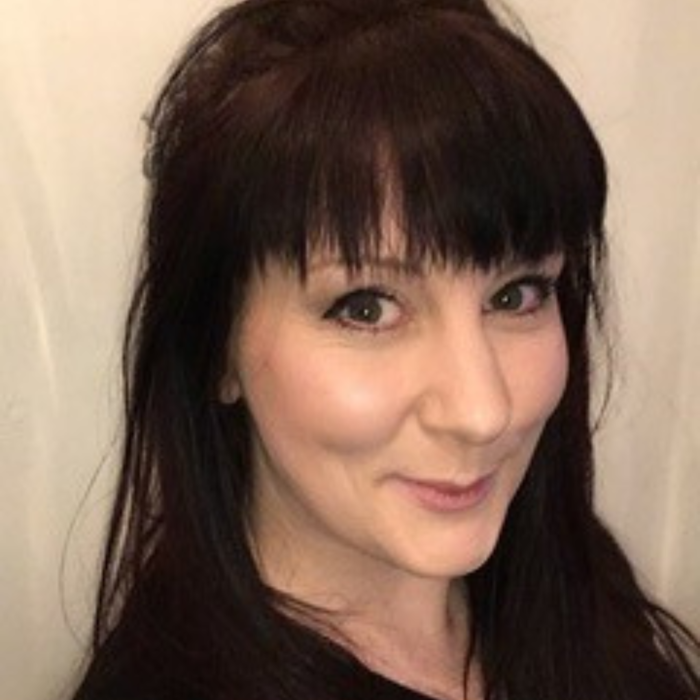
Mastering the Art of "Marking": Vocal Longevity for the Modern Singer

Jacob Wright
Don’t just save your voice—optimize it! Join Jacob Wright as he explores marking technique in singing, a vocal conservation strategy used by singers during rehearsals and extended performance periods. Marking involves singing at reduced vocal intensity, altered pitch, or modified vocal quality to preserve vocal health while maintaining musical and dramatic engagement. Participants will gain practical tools for implementing marking in their own practice, teaching, or clinical work, supported by current research and voice science principles!
Friday 27th March 2026
1:00 PM - 3:00 PM
(London Time)
Muscle Tension Dysphonia in the Singing Voice!

Dr Claire Thomas
A specialist course for singing teachers and voice professionals! Designed specifically for those working with singers, this in-depth course with Dr Claire Thomas explores Muscle Tension Dysphonia (MTD) through the lens of the singing voice - bridging clinical research and studio practice.