What Is The Feldenkrais® Method And How Can It Be Applied To Vocal Learning?
Thursday 17th February 2022, 5:00 PM - 7:00 PM (London Time)
In this workshop, Robert will introduce you to the classic Feldenkrais approach to movement improvement and demonstrate how it can be applied in the vocal context.
Dr. Moshe Feldenkrais (1904-1984), the eponymous creator of the Feldenkrais® Method of Somatic Education, was a Physicist and Engineer, Martial Artist and Movement Educator.
In endeavoring to work with his own knee injury from when he was 18 years old–which doctors at that time said could not be improved by surgery or any other medical intervention–Dr. Feldenkrais eventually created a way of working with himself (and any other person) that could improve physical function through expanded awareness, movement and learning regardless of structure or pathology.
Called “the first neuroplastician” by Dr. Norman Doidge (author of “The Brain’s Way of Healing”), Feldenkrais’ method is now used by Certified Feldenkrais Practitioners™ around the world to work with people who have been injured or live with diseases for which little other help exists.
The Feldenkrais® Method is also beneficial for artists, performers, athletes and anyone else interested in improving movement, function, awareness and ability of any sort!
In essence, “Feldenkrais” is a way of thinking. Although Dr. Feldenkrais, himself, chose movement to be it’s main mode of transmission, the method can also be applied in diverse ways, to and through many other modalities.
Robert Sussuma, singer, voice teacher and Feldenkrais Practitioner™, has adapted the principles and movement strategies from the traditional Feldenkrais cannon and re-formatted them in new ways to assist in vocal learning for singers, actors and voice users of all levels.
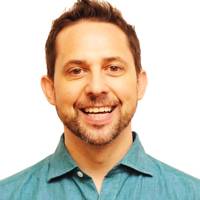
Robert Sussuma
Robert Sussuma (MMus., GCFP), holds two degrees in vocal performance, has taught at many colleges and universities (including Naropa University, PACE...
Sorry, this is an archived short course...
We have plenty of upcoming short courses coming soon. See details of some of them below or look at the full list of short courses.

Monday 3rd August 2026
1:30 PM - 2:30 PM
Tuesday 4th August 2026
1:30 PM - 2:30 PM
Wednesday 5th August 2026
1:30 PM - 2:30 PM
Thursday 6th August 2026
1:30 PM - 2:30 PM
Friday 7th August 2026
1:30 PM - 2:30 PM
(London Time)
Level Two Certificate in Accents and Phonetics with Louisa Morgan

Louisa Morgan
Build on your foundational knowledge of accents and phonetics in this week‑long lunchtime course designed specifically for voice teachers. Whether you have completed our Level 1 Certificate or already possess a basic working knowledge of phonetics and accent work, this Level 2 course will help you deepen your skills, sharpen your analytical ear, and expand your practical toolkit for teaching.

Tuesday 11th August 2026
5:00 PM - 7:00 PM
(London Time)
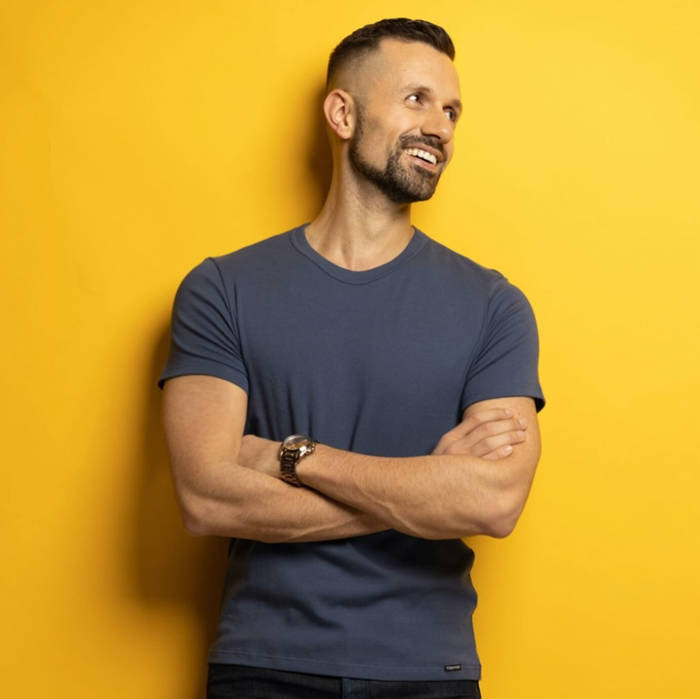
Redefining Ethical Practice in Voice Teaching!

Dr Justin John Moniz
Join Dr Justin John Moniz as he examines ethical practice in voice teaching through a structured, evidence-informed framework for sustainable, student-centered pedagogy. Although voice teaching operates outside formal licensure models common to allied professions, teachers hold significant responsibility for students’ vocal function, artistic development, and long-term well-being. This course addresses that gap through a five-part paradigm grounded in the NATS Code of Ethics, contemporary research, and applied studio practice.
Wednesday 12th August 2026
5:00 PM - 6:00 PM
(London Time)
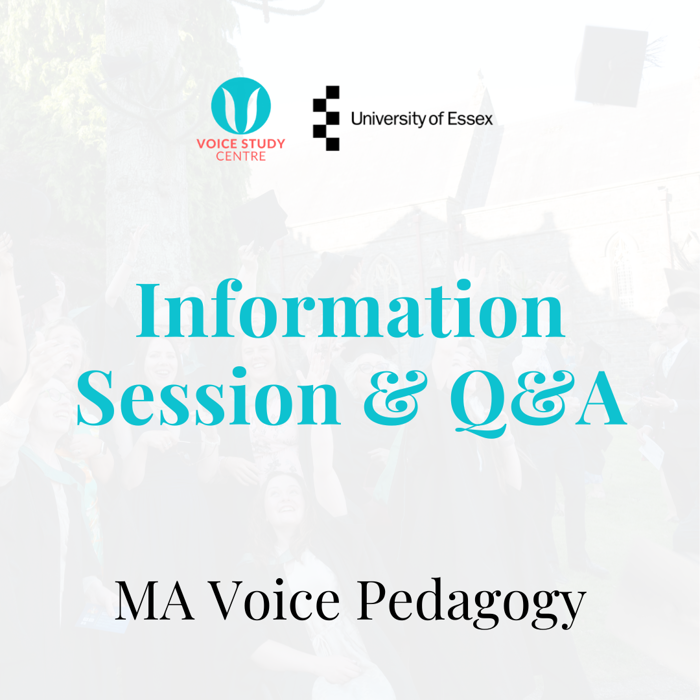
MA Voice Pedagogy: Online Information Session & Q&A

Debbie Winter
Considering our MA Voice Pedagogy? Join our Director for a focused online presentation and discussion to explore the course, ask questions, and discover whether postgraduate study at Voice Study Centre is right for you.