After The Session: Dynamic Coordination - Posture through an Alexander Technique Lens with Michele Capalbo
Wednesday 12th July 2023
Voice Study Centre
Michele Capalbo’s hour-long short course explored both common and alternative postural models for singers, taking into account the Alexander Technique (AT), and provided some practical approaches to ‘discovering a dynamic, efficient balance’. A brief overview of F.M. Alexander and his development of the technique (through a process of self-discovery) was given to start things off.
Michele showed how there are potentially both large- and small-scale imbalances in the postural system which can ‘shorten our stature’ and affect the voice. She shared some examples of poor posture and shifts in tension at the ‘critical moment of phonation’ (F. M. Alexander), including video clips of Leonard Cohen and Italian mezzo-soprano Cecilia Bartoli. In terms of ‘shortening in stature’, the process of ‘lengthening’ describes when a muscle has been allowed to release into its optimal length after a period of contraction – the goal when singing is to avoid over-shortening when possible and then allow the muscles to lengthen (recover) after exertion.
A quote from Alexander’s niece Marjory Barlow was shared, followed by some excerpts from academic research that indicated the ‘reciprocal relationship’ between posture and the voice and how poor posture can interfere with laryngeal function, breathing, etc. Michele then used some citations to show the vocal benefits of the AT – such as easy phonation and efficient respiration – but stressed that posture is by far the most cited benefit and that everything takes time.
The next part of the course was more interactive as participants were shown common postural singing instructions – the ‘Garcia position’ and the ‘noble posture’ – and asked to note down their observations after trying out each one. The common postural models known as the ‘Compression Model’, the ‘Tensile Model’ and the ‘Tensegrity Model’ (i.e. Tension + Integrity) were discussed too, with the latter combining elements of the first two – this is the one that Michele really recommended. A video clip of Thomas Myers helped to explain the advantages of the Tensegrity Model; this was substantiated by some AT-related literature showing the model’s progression and a practical exercise example relevant to singers. The concept of ‘Biotensegrity’ (an emerging hypothetical model) was then explained.
Michele urged her participants to consider the interrelationships within an individual’s structure rather than a platonic visual ideal (i.e. the Compression Model); to be aware of shifts in balance, rotations and tilting; to notice how stages of phonation preparation may impact tensional levels and disrupt balance; and, most importantly, to be patient so that new ‘postures’ become stable. She signed off her short course presentation by outlining some recommendations for discovering a dynamic, efficient balance. These included allowing the vocalist to experience what the body can do naturally (without interference), trying to move non-habitually (e.g. walking backwards), and employing distraction tactics to dissuade excess tension.
Michele Capalbo’s next short course – ‘Progressive Procedures: Applying the Alexander Technique to the Voice from Release to Re-engagement’ will run on Thursday 3rd August 2023 from 5:00pm – 7:00pm (UK time) – find out more here.
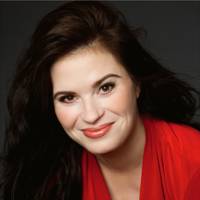
Michele Capalbo
Michele Capalbo is a Canadian singer, voice teacher and adjudicator currently based in the United States. Specialising in the music of Verdi and Puccini, she has performed internationally for over 20 years in principle operatic roles...
Recent Posts
Student Interviews
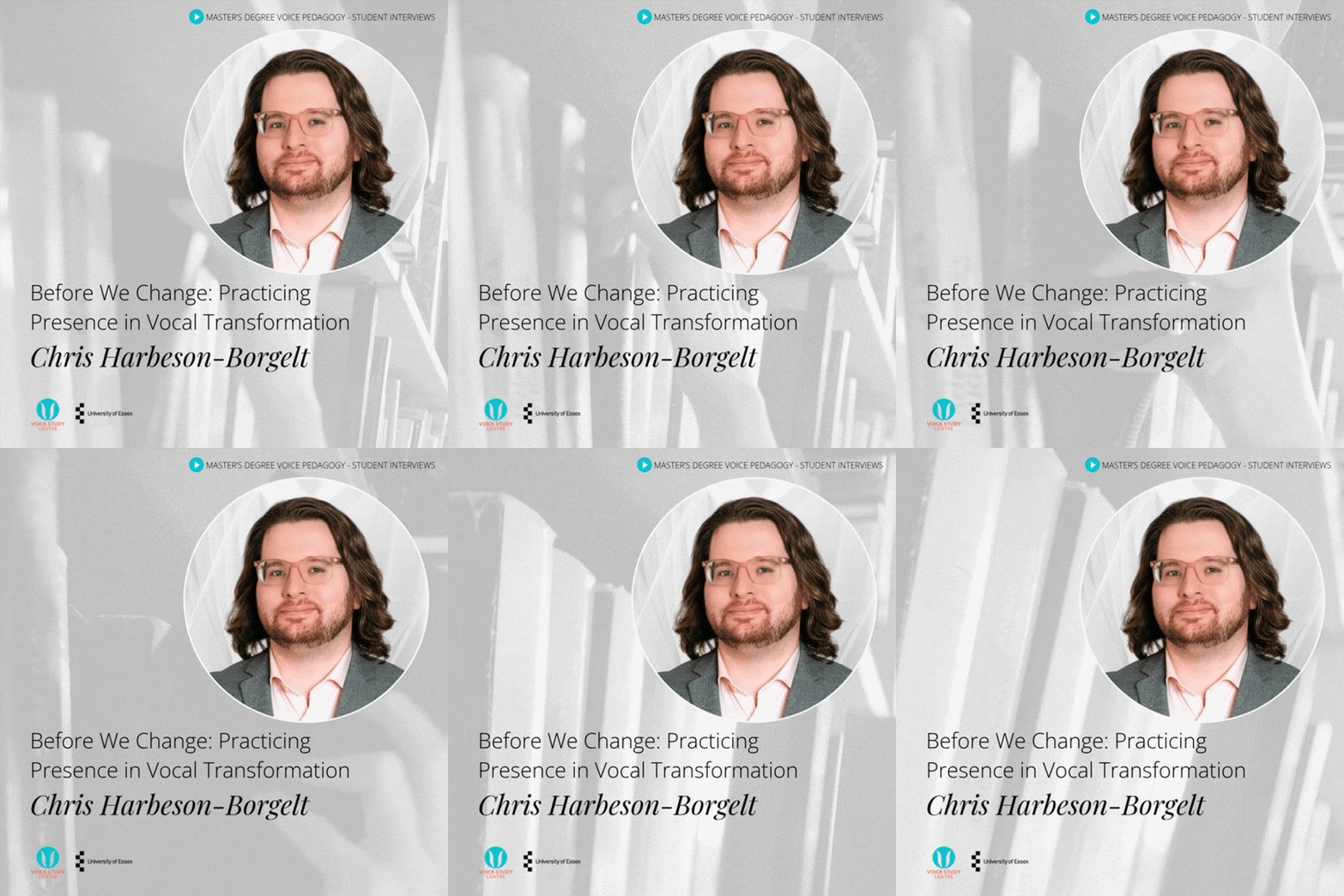
Before We Change: Practicing Presence in Vocal Transformation
Voice Study Centre
Wednesday 14th October 2026Just because we can change a singer’s voice doesn’t necessarily mean we should. For Voice Study Centre MA student Chris Harbison Borgelt, meaningful voice teaching begins with a different question: who is the change really for?
Read More...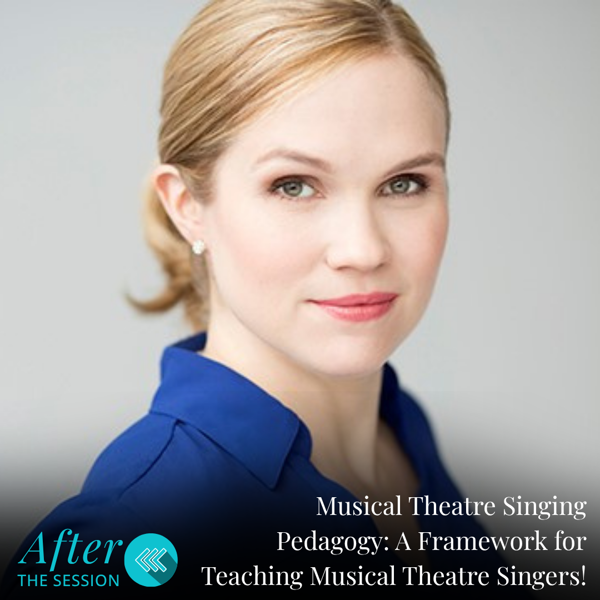
After The Session
After the Session: Musical Theatre Singing Pedagogy with Amanda Flynn
Voice Study Centre
Wednesday 14th October 2026What makes musical theatre singing different from other forms of vocal performance? And how can teachers help singers develop the flexibility, efficiency and stylistic versatility needed for a demanding professional career?
Read More...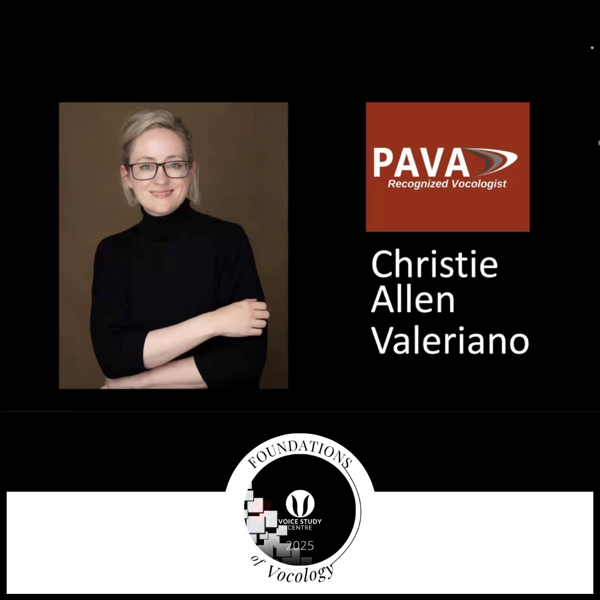
Student & Alumni News
Foundations of Vocology Student Christie Valeriano Becomes a PAVA-Recognised Vocologist!
Voice Study Centre
Tuesday 13th October 2026We're delighted to celebrate Foundations of Vocology student Christie Valeriano's achievement of becoming a PAVA-Recognised Vocologist (PAVA-RV)! Christie shares how the course supported her journey towards this exciting professional milestone.
Read More...