After The Session: Introduction to Voice Coaching for Trans and Gender Diverse People with Gillie Stoneham
Friday 20th October 2023
Voice Study Centre
Trans and non-binary voice and communication specialist Gillie Stoneham delivered an introductory course offering tips for and insights into voice coaching in the realm of trans and gender diverse people. This interactive session began with an introduction to Gillie herself and an overview of the current socio-political state of the United Kingdom that has meant it is a challenging time for those persons under the umbrella of trans and non-binary. Gillie recommended specific transgender books by Shon Faye and Sabah Choudrey to the participants.
Throughout, the course was intersected with Gillie’s own experiences as a specialist practitioner in voice and communication. She explained how, since 2014, she has seen a great increase in referrals from people wanting to alleviate gender dysphoria (GD) – ‘a marked incongruence between experienced or expressed gender and the one assigned at birth’. And so there is definitely a need for competent, culturally sensitive, trans-affirmative skilled voice practitioners who are able to establish allyship with their clients and be an advocate for gender diversity.
Gillie discussed the need to understand the terminology, and went through a list of common terms, before detailing that she’s currently working with individuals in transition between genders that are looking to change aspects of their gender to be more comfortable e.g. voice and communication. This led on to voice being the main focus of attention for the remainder of the course.
Finding something they like about their voice was identified as a positive starting point to trans and gender diverse voice work. Participants were asked to give their own voice a rating out of 10 and think of reasons why. This led into a discussion around focusing on the little things that make the voice as good as it can be in order to reach the ‘preferred future’ for the client.
Gillie explored the topics of pitch and resonance, including intonation and locating the most comfortable, ‘effortless voice’ (resting pitch). A practical exercise showed many different ways of saying the same phrase, depending on our emphasis. She noted that the overall goal is to assist the client in reaching the voice that matches their desired representation in society, but also a voice that is still authentic and part of their inner identity (some clients may also need extra work to address specific vocational needs e.g. telephone voice).
The next part of the course focused on strategies for trans feminine people (feminising the voice). Participants were asked to find their natural resting/launching pitch and work on moving away from that (one note up or down). Gillie explored pitch patterns and explained that saying things like days of the week or counting to five are key because then the client doesn’t have to think about the words whatsoever and therefore won’t fall back into their habitual old voice. She also recommended using a hum (‘mmm’) as an anchor for launching into gradually longer words and phrases in the correct pitch. A pitch exploration exercise was used to show a typical conversation exchange using different pitch patterns and intonations.
In trans and gender diverse voice coaching, the aim is to make concepts such as pitch and resonance concrete (not abstract), and useful analogies and metaphors can be used that relate to the specific client. Gillie explained how some people like a formulaic pattern of exercises they can practice with, however some need strategies that they can drop into real-life situations.
Some resonance exercises were shared to control the size and shape of the vocal tract; these included ‘Big Dog, Little Dog’ – a great way to work out how to make the shape required for the resonance that is sought – and exploring with ‘smile tone’ to enhance brightness. Gillie also talked about her work experimenting with voice onset (breathier as opposed to a heavier, harsher voice onset that’s more associated with masculinity), twang quality for projection, and working in groups to practise conversation and gain useful feedback from others.
Gillie’s two-hour introductory course was rounded off with a look at masculinising the voice rather than feminising it. She noted that transgender men may or may not be taking testosterone (which will generally decrease pitch a little within 12-18 months) when they are seen by her clinic, but may be referred because they are still being misgendered, perhaps due to habitual intonation patterns (e.g. voice going up when getting excited).
Gillie shared an exercise involving saying a phrase normally and then with the lips together – this is useful for allowing the brain to explore inflection and loudness. In addition, her work on embodying resonant voice, thick vocal fold onset and developing confidence in using the fuller voice (warmth without aggression) was discussed.
No matter the gender or stage of voice work that the client is undertaking, Gillie emphasised that it is always recommended to celebrate the ‘sparkling moments’ that affirm the journey along the way. This could be successfully making a telephone call, or leaving the house and successfully engaging in a real-life conversation, for example. The course concluded with Q&A.
Recent Posts
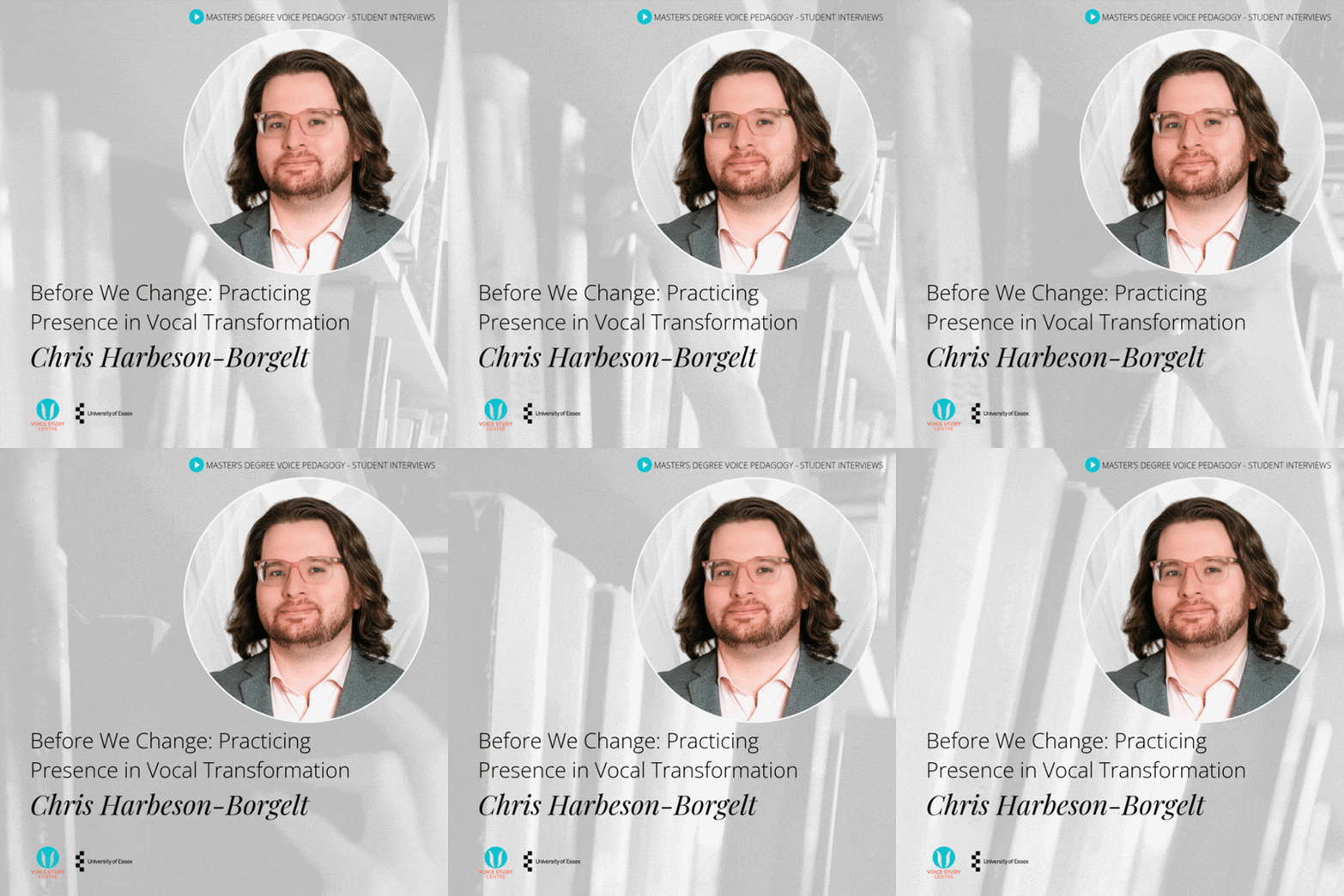
Student Interviews
Before We Change: Practicing Presence in Vocal Transformation
Voice Study Centre
Wednesday 14th October 2026Just because we can change a singer’s voice doesn’t necessarily mean we should. For Voice Study Centre MA student Chris Harbison Borgelt, meaningful voice teaching begins with a different question: who is the change really for?
Read More...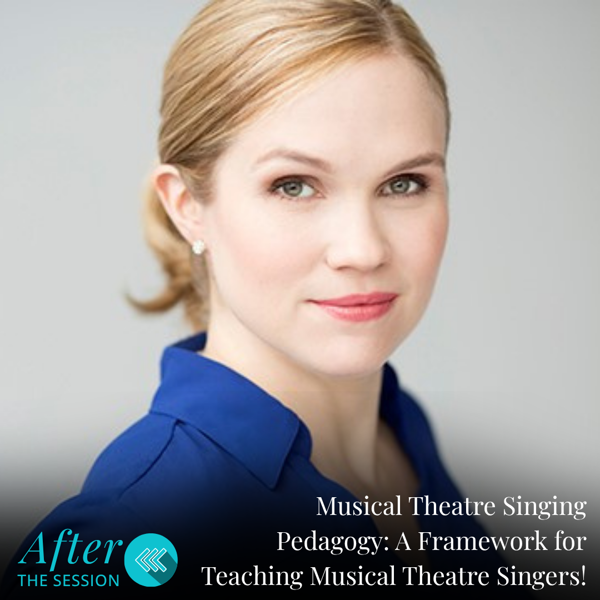
After The Session
After the Session: Musical Theatre Singing Pedagogy with Amanda Flynn
Voice Study Centre
Wednesday 14th October 2026What makes musical theatre singing different from other forms of vocal performance? And how can teachers help singers develop the flexibility, efficiency and stylistic versatility needed for a demanding professional career?
Read More...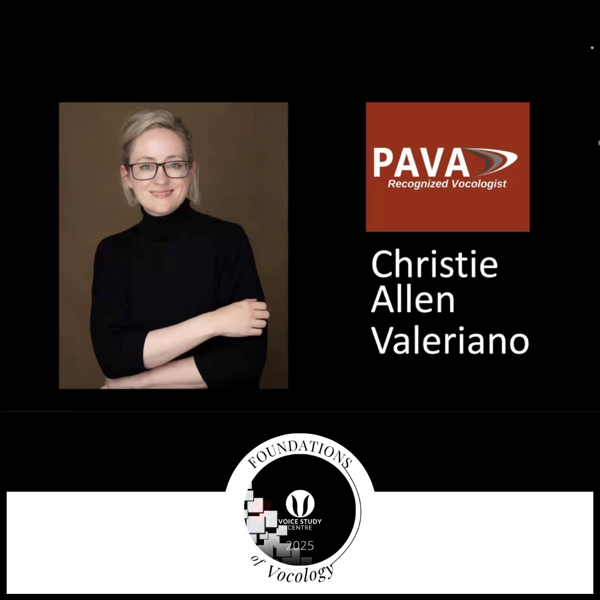
Student & Alumni News
Foundations of Vocology Student Christie Valeriano Becomes a PAVA-Recognised Vocologist!
Voice Study Centre
Tuesday 13th October 2026We're delighted to celebrate Foundations of Vocology student Christie Valeriano's achievement of becoming a PAVA-Recognised Vocologist (PAVA-RV)! Christie shares how the course supported her journey towards this exciting professional milestone.
Read More...