The Musical Theatre Research Alliance (MTRA) is a collaborative research community bringing together performers, educators, and researchers to explore key issues in musical theatre practice. Through free roundtables, micro-symposia, and research conversations, members share insights from their professional experience, contributing to ongoing research and the development of a Musical Theatre Safeguarding Manifesto.
In this blog, Voice Study Centre Director Debbie Winter outlines the vision behind the Alliance, how it emerged from the 2025 Musical Theatre Symposium, and how practitioner-led research is helping to shape a more ethical and sustainable future for the sector.
The Musical Theatre Research Alliance: Building a Safeguarding Manifesto from Practice
Musical theatre is a demanding, triple-threat art form, and performers are expected to dance, sing, and act against a backdrop of complex working conditions that exacerbate the intense physical and emotional demand. Yet despite the complexity of this work, much of what happens in rehearsal rooms, studios, and performance spaces remains underrepresented in published research.
The Musical Theatre Research Alliance (MTRA) was created to address this gap.
Rather than positioning research as something done to the sector, the Alliance exists to conduct research with the sector, recognising performers, educators, creatives, and practitioners as experts in their own professional knowledge. The MTRA aims to provide a structured, ethical, and collaborative space in which lived practice is treated as legitimate research evidence.
From symposium to alliance
The Alliance grew out of a Musical Theatre Symposium hosted by the Voice Study Centre in November 2025, focused on safeguarding in musical theatre. What emerged from that event was a shared recognition that Musical Theatre performers face multiple challenges ranging from vocal health and physical injury to psychological wellbeing, power dynamics, and professional boundaries, which are interconnected, under-researched, and often addressed in isolation.
Participants identified the need for an ongoing research infrastructure that could:
- Explore the complexities of Musical Theatre practice
- Value practitioner knowledge alongside academic research,
- Generate outputs that are useful, ethical, and embedded in real-world practice.
The Musical Theatre Research Alliance was established in response.
A practitioner research model
At the heart of the MTRA is a participatory action research approach. This means research is not extractive or observational, but dialogic, iterative, and change-focused. Practitioners are not subjects; they are collaborators and co-researchers.
Research activity within the Alliance is organised into time-limited research strands, each focused on a small number of core questions. Current strands that arose from the symposium include:
- Vocal Health & Sustainability in Musical Theatre Exploring how rehearsal, training, and performance practices support or undermine vocal longevity, including tacit strategies that are rarely documented.
- Musical Theatre Pedagogy & Training Models Examining how musical theatre skills are taught across contexts, and where training diverges from industry practice.
- Embodiment, Dance & Performer Identity Investigating how performers integrate singing, movement, and character under physical demand, and what embodied knowledge is lost in traditional research formats.
- Curriculum Development & Musical Theatre Training Addressing how curricula can better integrate vocal, physical, and acting training as a unified practice.
Each strand will be explored through micro-symposia, practice-research conversations, and roundtable events that serve as a focus group, enabling dialogue and knowledge exchange.
Towards a Musical Theatre Safeguarding Manifesto
One of the Alliance’s central aims is to co-produce a Musical Theatre Safeguarding Manifesto.
Safeguarding in musical theatre extends far beyond physical safety. It includes vocal health, psychological well-being, consent, power relations, professional boundaries, and working conditions across training, rehearsal, touring, backstage, and performance contexts.
Rather than producing a top-down set of rules, the manifesto is being developed through collaborative research over a two-year cycle. This ensures it reflects the realities of the sector, aligns with ethical best practice, and supports immediate, meaningful change.
Ethical sustainability
MTRA operates without external research funding, which raises important ethical questions about sustainability. The Voice Study Centre addresses this through a developing Ethical Sustainability Policy that can act as a point of dialogue.
Participation in research is always free. No one is required to pay to contribute, and financial capacity does not determine inclusion or voice. Any income generated occurs only through an optional, post-research professional development activity and is ring-fenced to support research infrastructure, governance, and dissemination.
This separation protects research integrity while enabling the Alliance to operate responsibly and transparently.
A growing research community
The Musical Theatre Research Alliance is open to academics, practitioners, educators, postgraduate researchers, and industry professionals who share a commitment to ethical, practice-informed research.
Members gain access to:
- a collaborative research network,
- invitations to events, symposia, and research conversations,
- and opportunities to contribute to publications, practice briefs, and sector-facing resources.
Above all, the Alliance exists to ensure that the knowledge created within musical theatre communities is recognised, valued, and, above all, applied in practice.
Learn more & get involved!
Recent Posts

After The Session
After The Session: Games & Gadgets: Unlocking Vocal Skills Through Movement and Play🎤✨

Voice Study Centre
Tuesday 15th September 2026Vocal technique isn't just about standing still in front of a piano and doing scales - it's an interactive, whole-body experience! In a fantastic workshop hosted by the Voice Study Centre today, Naomi Lewandoski (Northside Voice Studio, Australia) led us through an engaging session on how physical movement, somatic awareness, and everyday "gadgets" can transform vocal training.
Read More...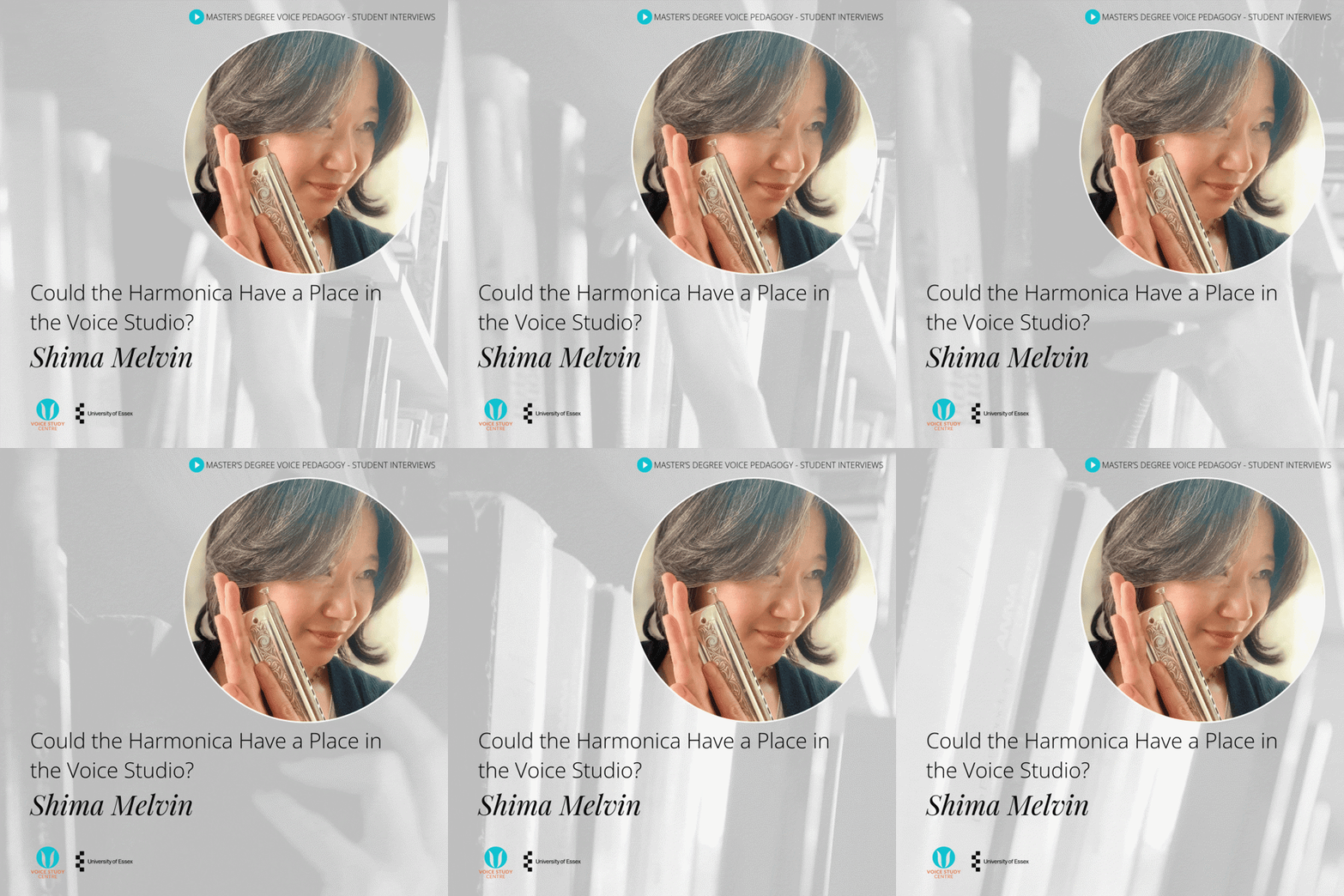
Student Interviews
Could a Harmonica Have a Place in the Voice Studio?
Voice Study Centre
Tuesday 8th September 2026What does a harmonica have to do with the human voice? For harmonica performer and music educator Shima Melvin, this question became the starting point for her postgraduate research with the Voice Study Centre. While developing her approach to teaching harmonica, Shima found herself struggling to explain exactly what was happening inside the instrument when she played. The mechanics of the harmonica were, in a sense, invisible.
Read More...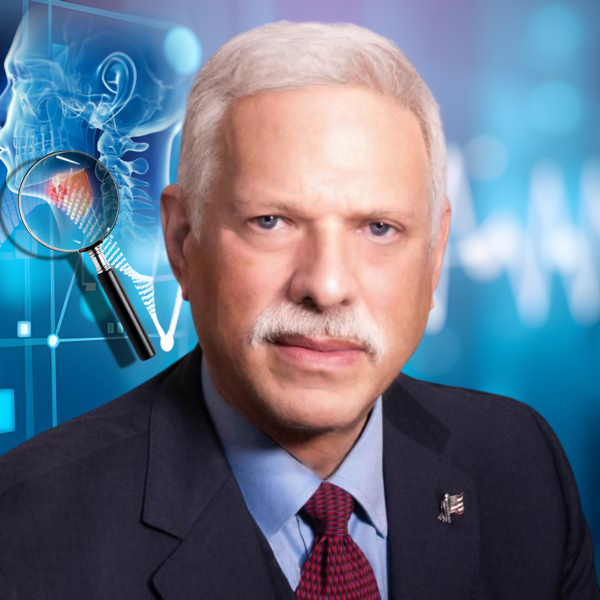
After The Session
After The Session: Common Medical Diagnoses and Treatments in Voice Patients
Voice Study Centre
Friday 4th September 2026Voice care extends far beyond opera stars! A voice professional includes anyone whose livelihood depends on an effective and pleasing voice - teachers, solicitors, sports coaches, secretaries, and sales personnel. Yesterday, we welcomed back Dr. Robert Sataloff MD, DMA, FACS, for a short course into the diagnosis, medical care, and surgical management of voice patients. Robert is the Director of Otolaryngology at the Lankenau Institute for Medical Research, Editor-in-Chief of the Journal of Voice, professional singer, and a conductor.. Read on for the key insights and takeaways every vocal professional, pedagogue, and performer should know!
Read More...