Acting Emotion: Perspectives from the Masters
Thursday 5th March 2026, 1:00 PM - 2:30 PM (London Time)
Thursday 12th March 2026, 1:00 PM - 2:30 PM (London Time)
Acting Emotion: Perspectives from the Masters.
A comparison of different approaches to emotional expression from well-known acting practitioners (2-Part Course).
Stanislavski said, “our artistic emotions are, at first, as shy as wild animals and they hide in the depths of our souls.” Michael Chekhov said, our bodies should be like a “sensitive membrane, a kind of receiver and conveyor of the subtlest images, feelings, emotions and will impulses.” And Meisner said we should be “living truthfully under imaginary circumstances.”
The approach to emotion by acting practitioners has been a source of division, unification, and even outrage. Diderot claimed that “extreme sensitivity makes actors mediocre.” He believed actors should be completely devoid of emotion to be successful, moving the audience rather than experiencing the emotion themselves. Diderot’s paradox is still discussed today. Should we become a vessel for the emotion to pass through us? Do we need to feel the emotion to be truthful actors?
This 2-part course will explore a range of well-known acting practitioners to investigate what they believed (or believe) about emotion and how they approached it in their work. We will compare their work to see where they align and where they diverge.
Finally, we will discuss how this relates to your own practice, how you feel about these age-old questions, and consider how different approaches might be useful for different types of performer and performance.
Who is it for?
Any voice practitioner interested in acting approaches and how emotion connects to their work.
🏷️ Price £50 (UK VAT inclusive)
🎥 Recording automatically sent to all who book (even if you cannot attend live)
▶️ Rewatch as many times as you like
📜 Certificate of attendance available

Louisa Morgan
Louisa Morgan is a lecturer, voice teacher and researcher, with a special focus on spoken and sung emotion. Louisa lectures with Voice Study Centre (spoken voice lead). Previously, Louisa taught technical singing for the MA/MFA Musical Theatre students at the Guilford School of Acting (GSA) and Italia Conti, and she was also a spoken and singing voice coach for the Acting students at the Cygnet Training Theatre.
Sorry, this is an archived short course...
We have plenty of upcoming short courses coming soon. See details of some of them below or look at the full list of short courses.

Monday 3rd August 2026
1:30 PM - 2:30 PM
Tuesday 4th August 2026
1:30 PM - 2:30 PM
Wednesday 5th August 2026
1:30 PM - 2:30 PM
Thursday 6th August 2026
1:30 PM - 2:30 PM
Friday 7th August 2026
1:30 PM - 2:30 PM
(London Time)
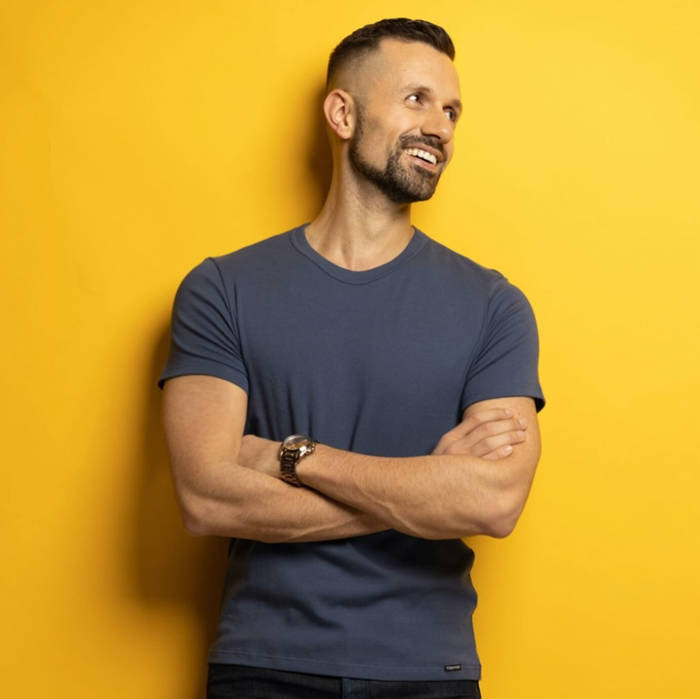
Level Two Certificate in Accents and Phonetics with Louisa Morgan

Louisa Morgan
Build on your foundational knowledge of accents and phonetics in this week‑long lunchtime course designed specifically for voice teachers. Whether you have completed our Level 1 Certificate or already possess a basic working knowledge of phonetics and accent work, this Level 2 course will help you deepen your skills, sharpen your analytical ear, and expand your practical toolkit for teaching.

Tuesday 11th August 2026
5:00 PM - 7:00 PM
(London Time)
Redefining Ethical Practice in Voice Teaching!

Dr Justin John Moniz
Join Dr Justin John Moniz as he examines ethical practice in voice teaching through a structured, evidence-informed framework for sustainable, student-centered pedagogy. Although voice teaching operates outside formal licensure models common to allied professions, teachers hold significant responsibility for students’ vocal function, artistic development, and long-term well-being. This course addresses that gap through a five-part paradigm grounded in the NATS Code of Ethics, contemporary research, and applied studio practice.
Wednesday 12th August 2026
5:00 PM - 6:00 PM
(London Time)
MA Voice Pedagogy: Online Information Session & Q&A

Debbie Winter
Considering our MA Voice Pedagogy? Join our Director for a focused online presentation and discussion to explore the course, ask questions, and discover whether postgraduate study at Voice Study Centre is right for you.