Leaning Into Discomfort: Supporting Regulation and Resilience in Voice Care
Tuesday 7th April 2026, 5:00 PM - 7:00 PM (London Time)
Working with the singing body and nervous system, whether in teaching, coaching, therapy, or performance, often means navigating moments of stress, vulnerability, and uncertainty. In these moments, both teachers and clients can find themselves operating from a heightened autonomic stress response that affects communication, learning, and vocal function.
This session explores how an understanding of the autonomic nervous system can inform more effective and compassionate voice work. Participants will learn practical strategies to support regulation and resilience in themselves and the singers, students, or clients they work with.
Through discussion and applied examples, we will explore grounding techniques across the senses, co-regulation in the teaching and clinical relationship, recognising personal stress responses, and developing supportive strategies such as SMART goal setting and mindset shifts around challenge. We will also consider the role of the wider musical environment and how professionals can advocate for healthier, more supportive learning and performance cultures.
Designed for voice teachers, coaches, singers, and students with an interest in voice care, this session combines evidence-informed concepts with practical tools that can be applied immediately in teaching, coaching, and clinical contexts.
🏷️ Price £30 (UK VAT inclusive)
🎥 Recording automatically sent to all who book (even if you cannot attend live)
▶️ Rewatch as many times as you like
📜 Certificate of attendance available
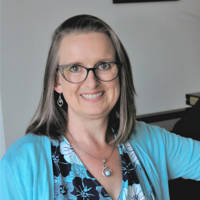
Dr Carol Krusemark
Carol Krusemark, SLPD, is a voice-specialized speech-language pathologist, singing voice rehabilitation specialist, and owner of Empower Vocal Wellness Speech Pathology, PLLC in Saratoga Springs, New York. She holds adjunct faculty appointments at Ithaca College, the MGH Institute of Health Professions, and St. Elizabeth’s University, where she teaches courses related to voice disorders and counseling in speech-language pathology practice.
Attend this course for as little as £22 as part of the Voice Professional Training CPD Award Scheme.
Learn MoreSorry, this is an archived short course...
We have plenty of upcoming short courses coming soon. See details of some of them below or look at the full list of short courses.

Monday 3rd August 2026
1:30 PM - 2:30 PM
Tuesday 4th August 2026
1:30 PM - 2:30 PM
Wednesday 5th August 2026
1:30 PM - 2:30 PM
Thursday 6th August 2026
1:30 PM - 2:30 PM
Friday 7th August 2026
1:30 PM - 2:30 PM
(London Time)
Level Two Certificate in Accents and Phonetics with Louisa Morgan

Louisa Morgan
Build on your foundational knowledge of accents and phonetics in this week‑long lunchtime course designed specifically for voice teachers. Whether you have completed our Level 1 Certificate or already possess a basic working knowledge of phonetics and accent work, this Level 2 course will help you deepen your skills, sharpen your analytical ear, and expand your practical toolkit for teaching.


Tuesday 11th August 2026
5:00 PM - 7:00 PM
(London Time)
Redefining Ethical Practice in Voice Teaching!

Dr Justin John Moniz
Join Dr Justin John Moniz as he examines ethical practice in voice teaching through a structured, evidence-informed framework for sustainable, student-centered pedagogy. Although voice teaching operates outside formal licensure models common to allied professions, teachers hold significant responsibility for students’ vocal function, artistic development, and long-term well-being. This course addresses that gap through a five-part paradigm grounded in the NATS Code of Ethics, contemporary research, and applied studio practice.
Wednesday 12th August 2026
5:00 PM - 6:00 PM
(London Time)
MA Voice Pedagogy: Online Information Session & Q&A

Debbie Winter
Considering our MA Voice Pedagogy? Join our Director for a focused online presentation and discussion to explore the course, ask questions, and discover whether postgraduate study at Voice Study Centre is right for you.