Developing Inclusive Praxis & Safe Spaces for Global Majority Vocal Students
Tuesday 5th December 2023, 1:00 PM - 2:00 PM (London Time)
What is deemed as a safe space is often only considered so positioned through our own lens. Blind spots to another person’s lived experiences and world view, that may differ from our own, can often quite unconsciously end up in us excluding them from certain spaces or else cause them to feel the need to adapt or shape-shift to align with our own ideas. In addition to this, tradition and mainstream ideas around musical spaces and pedagogy have perpetuated narrow perspectives and a lack of systemic change often leaving vocal tutors with few resources and limited support to make teaching spaces more inclusive.
This workshop considers what it means to provide a safe learning space for all students; engages in self-reflection and wider reflection; challenges, where necessary, some of the frameworks and systems that dominate vocal theory and praxis; and seeks to make visible some of the many issues Global Majority students and teachers face that remain largely invisible in mainstream vocal rhetoric.
You are invited to a warm and welcoming environment to explore these issues and reflect together. Please bring questions and a supportive, open mind to the perspectives of others.
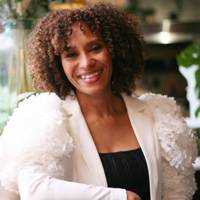
Natasha Hendry
Natasha Hendry is currently a PhD psychology candidate at the University of West London with joint supervision from the London College of Music. Her research interests lay in Music Psychology, specifically in relation to Education, Performance and Wellbeing...
Sorry, this is an archived short course...
We have plenty of upcoming short courses coming soon. See details of some of them below or look at the full list of short courses.

Wednesday 4th March 2026
1:00 PM - 2:00 PM
Wednesday 11th March 2026
1:00 PM - 2:00 PM
Wednesday 18th March 2026
1:00 PM - 2:00 PM
Wednesday 25th March 2026
1:00 PM - 2:00 PM
Wednesday 1st April 2026
1:00 PM - 2:00 PM
Wednesday 8th April 2026
1:00 PM - 2:00 PM
(London Time)
Learn to Coach RP and SSBE – a Certificate in Accent Coaching

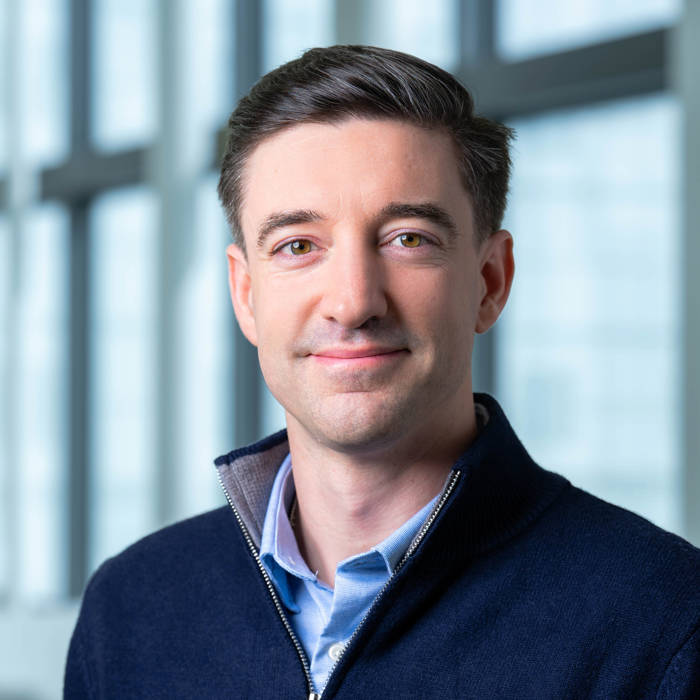
Louisa Morgan
This six-week course is an opportunity to learn about both Received Pronunciation and Standard Southern British English. Rather than a course in learning how to speak RP/SSBE (there are many brilliant available courses for this already), this course is about learning how to coach it.

Wednesday 25th March 2026
5:00 PM - 7:00 PM
(London Time)
Mastering the Art of "Marking": Vocal Longevity for the Modern Singer

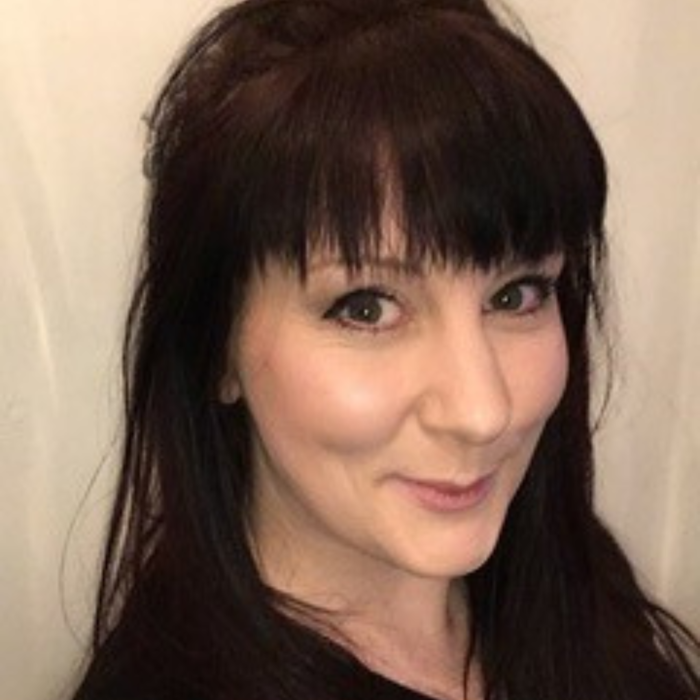
Jacob Wright
Don’t just save your voice—optimize it! Join Jacob Wright as he explores marking technique in singing, a vocal conservation strategy used by singers during rehearsals and extended performance periods. Marking involves singing at reduced vocal intensity, altered pitch, or modified vocal quality to preserve vocal health while maintaining musical and dramatic engagement. Participants will gain practical tools for implementing marking in their own practice, teaching, or clinical work, supported by current research and voice science principles!
Friday 27th March 2026
1:00 PM - 3:00 PM
(London Time)
Muscle Tension Dysphonia in the Singing Voice!

Dr Claire Thomas
A specialist course for singing teachers and voice professionals! Designed specifically for those working with singers, this in-depth course with Dr Claire Thomas explores Muscle Tension Dysphonia (MTD) through the lens of the singing voice - bridging clinical research and studio practice.