The Brain, Music, And Optimal Performance
Thursday 2nd March 2023, 5:00 PM - 7:00 PM (London Time)
This clear yet delightfully quick-paced introduction to cognitive neuroscience for the voice studio nimbly weaves together discoveries in neuroscience with the experience of vocal artistry to show how singing can be viewed as a perception-action cycle.
From the outset, practical-application exercises demystify how the conscious mind integrates with unconscious sensory and motor processes to unleash our body’s intelligence to produce optimal and even peak performance in the expressive and artistic endeavor we know as singing.
Through this further expansion of voice science and pedagogy into the field of cognitive neuroscience, singers learn to take charge, to mindfully integrate their audio-motor intentions with expert motor response.
The teacher becomes equipped to better understand optimal flow of information, where disruption may occur, and how to guide the student in setting the right goal for the task of the moment — to get the thinking right.
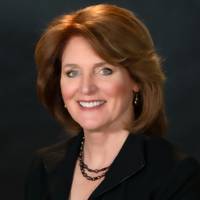
Dr Karen Leigh-Post
Karen Leigh-Post, Voice Department Chair, and Professor of Music at Lawrence University is internationally recognized as a pioneer...
Attend this course for as little as £22 as part of the Voice Professional Training CPD Award Scheme.
Learn MoreSorry, this is an archived short course...
We have plenty of upcoming short courses coming soon. See details of some of them below or look at the full list of short courses.

Wednesday 4th March 2026
1:00 PM - 2:00 PM
Wednesday 11th March 2026
1:00 PM - 2:00 PM
Wednesday 18th March 2026
1:00 PM - 2:00 PM
Wednesday 25th March 2026
1:00 PM - 2:00 PM
Wednesday 1st April 2026
1:00 PM - 2:00 PM
Wednesday 8th April 2026
1:00 PM - 2:00 PM
(London Time)
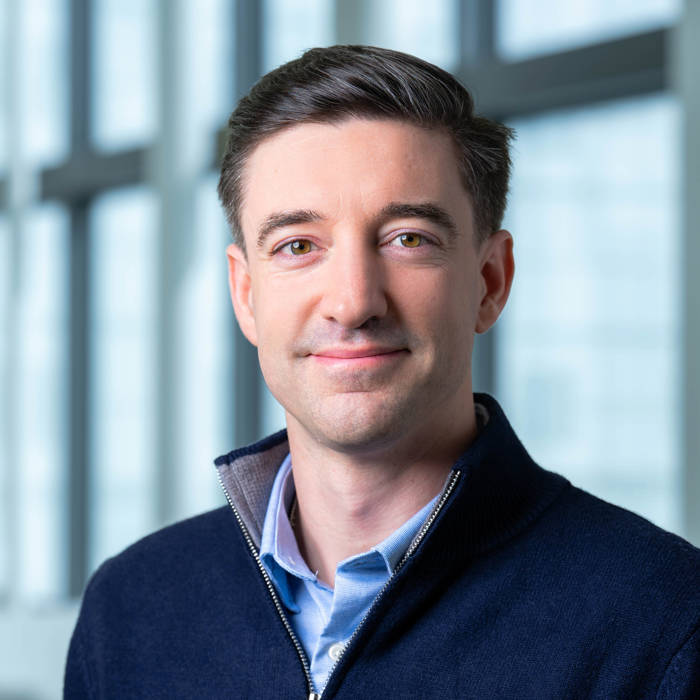
Learn to Coach RP and SSBE – a Certificate in Accent Coaching

Louisa Morgan
This six-week course is an opportunity to learn about both Received Pronunciation and Standard Southern British English. Rather than a course in learning how to speak RP/SSBE (there are many brilliant available courses for this already), this course is about learning how to coach it.

Wednesday 25th March 2026
5:00 PM - 7:00 PM
(London Time)
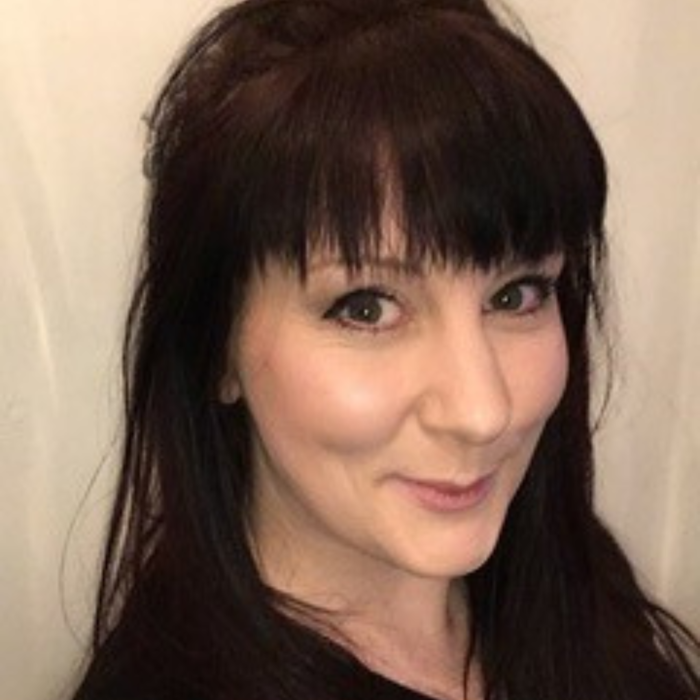
Mastering the Art of "Marking": Vocal Longevity for the Modern Singer

Jacob Wright
Don’t just save your voice—optimize it! Join Jacob Wright as he explores marking technique in singing, a vocal conservation strategy used by singers during rehearsals and extended performance periods. Marking involves singing at reduced vocal intensity, altered pitch, or modified vocal quality to preserve vocal health while maintaining musical and dramatic engagement. Participants will gain practical tools for implementing marking in their own practice, teaching, or clinical work, supported by current research and voice science principles!
Friday 27th March 2026
1:00 PM - 3:00 PM
(London Time)
Muscle Tension Dysphonia in the Singing Voice!

Dr Claire Thomas
A specialist course for singing teachers and voice professionals! Designed specifically for those working with singers, this in-depth course with Dr Claire Thomas explores Muscle Tension Dysphonia (MTD) through the lens of the singing voice - bridging clinical research and studio practice.