The Feldenkrais Method®: How Does It Apply In The Voice Studio?
Thursday 31st August 2023, 5:00 PM - 7:00 PM (London Time)
Our 2-hour course will begin with a discussion of the basic philosophical underpinnings of The Feldenkrais Method® and the recent discoveries in neuroscience relating to brain/body interaction that have validated his theories.
How these basic principles of somatic education can be applied in the voice studio will then be explored with concrete examples.
Moshe Feldenkrais, born in 1904, engineer and physicist, developed the method that bears his name over years of self-study. He was trained as a scientist, working in the Joliot-Curie lab at Radium Institute in Paris while simultaneously working on doctorate in engineering at the Sorbonne. During WWII he worked as a scientific officer for the British Admiralty.
Personal knee injuries combined with the study of Jiujitsu as a teen, followed by the study of Judo under its founder, Jigoro Kano, in Paris, shaped his life long quest to understand through scientific inquiry, how we can learn to change our habitual patterns to provide more efficient and flexible ways to move and function in the world through our somatic awareness. In short, he saw that how we perceive ourselves, our inner self image, dictates how we move and function. In order to change how we move/function, we need to learn to shift our attention from goal oriented to focus on the quality and ease of movement, through structured lessons, verbally directed or hands on, allowing our nervous system to explore new options or pathways.
The result was the development of The Feldenkrais Method® of Somatic Education, and its subsets, Awareness Through Movement® and Functional Integration®.
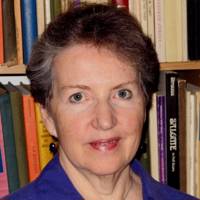
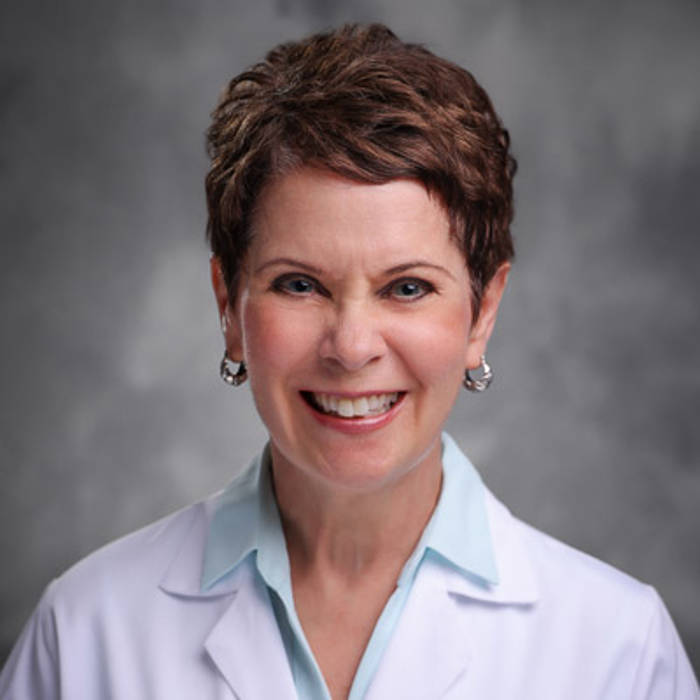
Marina Gilman
Marina Gilman holds a Bachelor of Science Degree from Indiana University, Master of Music degree from Ithaca College, and a Masters of Art in Communication Disorders...
Attend this course for as little as £22 as part of the Voice Professional Training CPD Award Scheme.
Learn MoreSorry, this is an archived short course...
We have plenty of upcoming short courses coming soon. See details of some of them below or look at the full list of short courses.

Tuesday 27th October 2026
5:00 PM - 7:00 PM
(London Time)
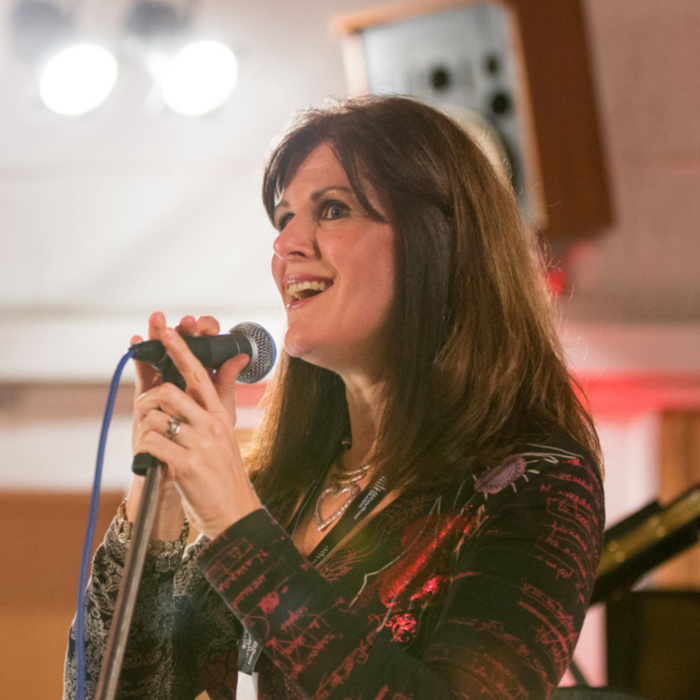
Pop Pedagogy - an Overview

Kim Chandler
Some successful pop stars are celebrating career lengths of over sixty years, having been around since the 1950s when pop music emerged and diversified from jazz, so pop singing has been in existence sufficiently long now that, for teaching purposes, we can observe and analyse what type of approach serves it best.
Friday 30th October 2026
3:00 PM - 5:00 PM
(London Time)
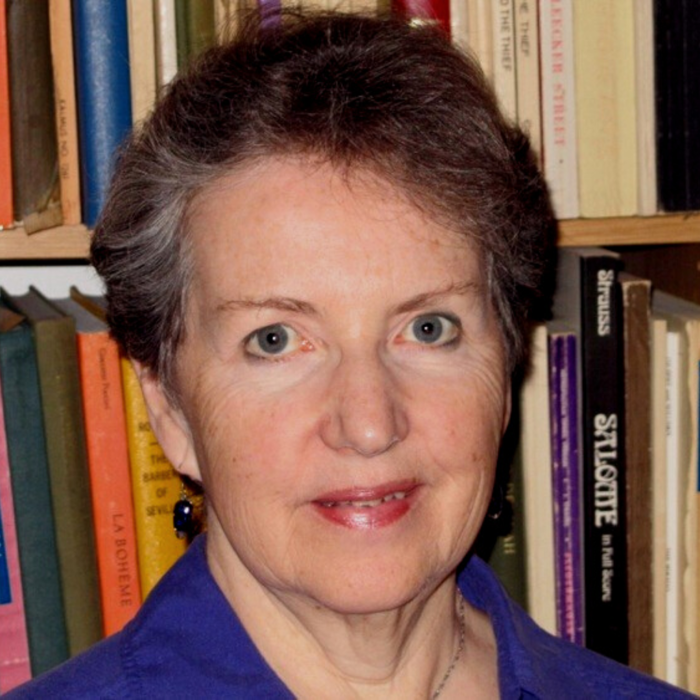
Feldenkrais Method® - its application in speech and song!

Marina Gilman
The Feldenkrais Method® is a form of somatic education that uses gentle movement and directed attention to improve physical and mental functioning, including singing and speaking. Since we are not always aware of the source of tension or discoordination, it is difficult to make the necessary adjustments to ensure optimal use of the voice!
Monday 2nd November 2026
5:00 PM - 7:00 PM
Tuesday 3rd November 2026
5:00 PM - 7:00 PM
(London Time)
The Vocal Health Challenges for Actors and Singers!

Leda Scearce
Two part course! Vocal health principles are inextricably and symbiotically linked with singing and acting voice pedagogy: Good vocal health allows the singer and actor to more easily and effectively achieve their technical and artistic goals, and good teaching reinforces vocal technique that diminishes the risk of vocal injury. We now also recognize the necessity for singers and actors to understand how their instruments work, how to take care of their voices, and what to do when something goes wrong. Singing and acting teachers are indeed on the front lines of vocal health!