"Throaty Sounds": Cross-linguistics, Health, & Pedagogy!
Thursday 6th November 2025, 5:00 PM - 7:00 PM (London Time)
Glottal stops, vocal fry, creaky voice, and more! There are many types of “throaty sounds” that we make in spoken languages and simply in vocal expression. Many practitioners have historically expressed strong views about the health or use of throaty sounds: considering them risky or unhealthy, as well as displeasing.
Yet -- throaty sounds appear in many languages and language families worldwide! Speakers use them every day to communicate. A cross-linguistic comparison of throaty sounds in languages can yield new insights for voice and speech professionals to consider. Some beliefs about throaty sounds can be re-examined, which can affect approaches for voice training and voice care. Together we can reconsider the narrative around glottals and vocal fry, find new language to discuss the sounds, and support our students' use of speech!
This course will explore:
(1) which sounds are produced and articulated in the throat,
(2) where do we hear these sounds in various languages, and
(3) how to reconsider previous negative assumptions about the health of sounds themselves.
Dayle Towarnicky
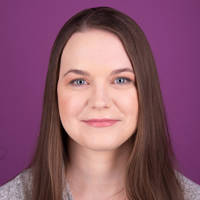
Dayle Towarnicky (she/her) is an Assistant Professor with the FSU School of Theatre in Tallahassee, Florida, where she teaches and coaches voice, speech, and accent. Dayle researches intersections between voice and speech practice and linguistics.
Attend this course for as little as £22 as part of the Voice Professional Training CPD Award Scheme.
Learn MoreSorry, this is an archived short course...
We have plenty of upcoming short courses coming soon. See details of some of them below or look at the full list of short courses.

Wednesday 4th March 2026
1:00 PM - 2:00 PM
Wednesday 11th March 2026
1:00 PM - 2:00 PM
Wednesday 18th March 2026
1:00 PM - 2:00 PM
Wednesday 25th March 2026
1:00 PM - 2:00 PM
Wednesday 1st April 2026
1:00 PM - 2:00 PM
Wednesday 8th April 2026
1:00 PM - 2:00 PM
(London Time)
Learn to Coach RP and SSBE – a Certificate in Accent Coaching

Louisa Morgan
This six-week course is an opportunity to learn about both Received Pronunciation and Standard Southern British English. Rather than a course in learning how to speak RP/SSBE (there are many brilliant available courses for this already), this course is about learning how to coach it.


Wednesday 25th March 2026
5:00 PM - 7:00 PM
(London Time)
Mastering the Art of "Marking": Vocal Longevity for the Modern Singer

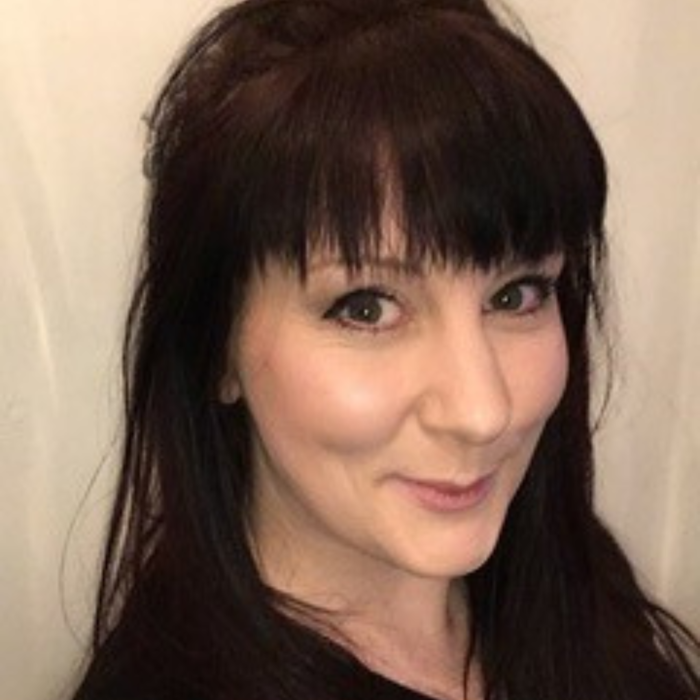
Jacob Wright
Don’t just save your voice—optimize it! Join Jacob Wright as he explores marking technique in singing, a vocal conservation strategy used by singers during rehearsals and extended performance periods. Marking involves singing at reduced vocal intensity, altered pitch, or modified vocal quality to preserve vocal health while maintaining musical and dramatic engagement. Participants will gain practical tools for implementing marking in their own practice, teaching, or clinical work, supported by current research and voice science principles!
Friday 27th March 2026
1:00 PM - 3:00 PM
(London Time)
Muscle Tension Dysphonia in the Singing Voice!

Dr Claire Thomas
A specialist course for singing teachers and voice professionals! Designed specifically for those working with singers, this in-depth course with Dr Claire Thomas explores Muscle Tension Dysphonia (MTD) through the lens of the singing voice - bridging clinical research and studio practice.